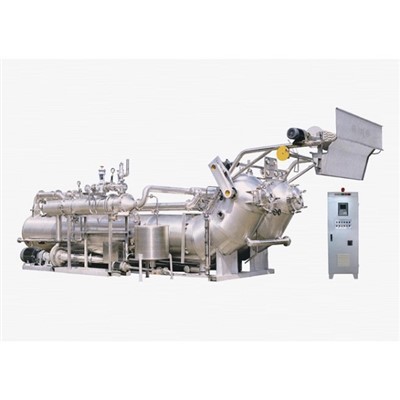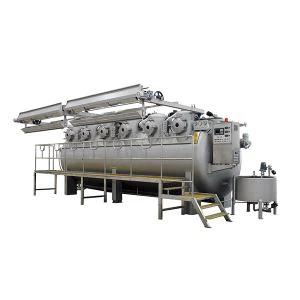
Hey there! As a supplier of Dual Flow Dyeing Machines, I often get asked about how these machines adjust the flow rate of the dye liquor. It's a crucial aspect of the dyeing process, and I'm here to break it down for you in a way that's easy to understand.
First off, let's talk about why adjusting the flow rate of the dye liquor is so important. In the dyeing industry, achieving a uniform and consistent color on the fabric is the name of the game. The flow rate of the dye liquor plays a key role in ensuring that the dye is evenly distributed across the fabric. If the flow rate is too low, the dye might not penetrate the fabric properly, leading to uneven coloration. On the other hand, if the flow rate is too high, it could cause excessive agitation, which might damage the fabric or result in other quality issues.
So, how does a Dual Flow Dyeing Machine go about adjusting this flow rate? Well, there are a few different mechanisms at play, and I'll walk you through each of them.
Pump System
One of the primary ways to control the flow rate of the dye liquor is through the pump system. Most Dual Flow Dyeing Machines are equipped with high - performance pumps that are designed to circulate the dye liquor throughout the machine. These pumps can be adjusted in terms of their speed and pressure.
The speed of the pump directly affects the flow rate of the dye liquor. By increasing the pump speed, more dye liquor is pushed through the system, resulting in a higher flow rate. Conversely, decreasing the pump speed reduces the flow rate. This adjustment can usually be made through a control panel on the machine. The operator can input the desired pump speed based on the specific requirements of the dyeing process, such as the type of fabric, the dye being used, and the desired color intensity.
Pressure is another factor related to the pump system. The pump can be set to generate a certain amount of pressure, which also influences the flow rate. Higher pressure can force the dye liquor through the fabric more quickly, increasing the flow rate. However, it's important to find the right balance because too much pressure can damage the fabric. The machine's control system allows the operator to fine - tune the pressure settings to achieve the optimal flow rate.

Valve Regulation
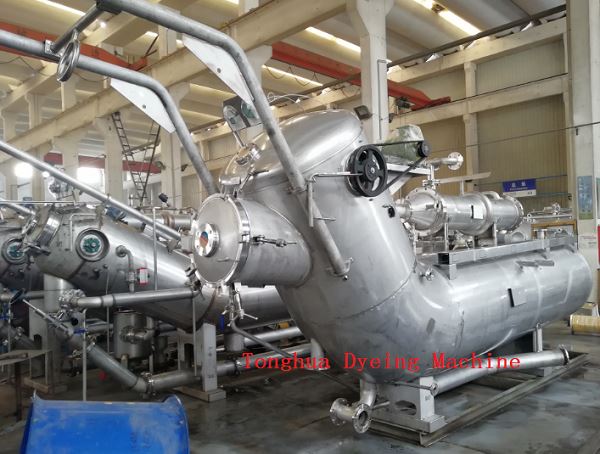
Valves are another crucial component in adjusting the flow rate. There are different types of valves in a Dual Flow Dyeing Machine, such as flow control valves and pressure relief valves.
Flow control valves are used to restrict or allow the flow of the dye liquor. These valves can be adjusted to change the cross - sectional area through which the dye liquor flows. When the valve is opened wider, more dye liquor can pass through, increasing the flow rate. When it's closed partially, the flow rate decreases. The operator can manually adjust these valves or use an automated control system to set the valve position based on the desired flow rate.
Pressure relief valves, on the other hand, are mainly used to maintain a stable pressure in the system. If the pressure in the machine exceeds a certain limit, the pressure relief valve opens to release some of the excess pressure. This helps to prevent damage to the machine and also has an indirect impact on the flow rate. By keeping the pressure stable, the flow rate can be more accurately controlled.
Feedback and Monitoring Systems
Modern Dual Flow Dyeing Machines are often equipped with advanced feedback and monitoring systems. These systems use sensors to measure various parameters related to the dye liquor flow, such as flow rate, pressure, and temperature.
The flow sensors continuously measure the actual flow rate of the dye liquor and send this information back to the machine's control system. If the measured flow rate deviates from the set value, the control system can automatically adjust the pump speed or valve settings to bring the flow rate back to the desired level. This real - time adjustment ensures that the dyeing process remains consistent and that the fabric is dyed evenly.
Temperature sensors also play an important role. The viscosity of the dye liquor can change with temperature, which in turn affects the flow rate. By monitoring the temperature, the control system can make appropriate adjustments to the pump and valve settings to compensate for any changes in viscosity.
Influence of Different Fabrics
The type of fabric being dyed also has a significant impact on how the flow rate of the dye liquor is adjusted. For example, delicate fabrics like silk or chiffon require a lower flow rate to prevent damage. The operator might need to reduce the pump speed and use smaller valve openings to ensure a gentle flow of the dye liquor through the fabric.
On the other hand, thicker and more robust fabrics like denim or canvas can withstand a higher flow rate. In this case, the pump speed can be increased, and the valves can be opened wider to allow the dye liquor to penetrate the fabric more effectively.
Integration with Other Dyeing Processes
A Dual Flow Dyeing Machine is often part of a larger dyeing process. It might be integrated with other machines, such as High Temperature Rapid Dyeing Machine, Jet Dyeing Machine For Milk Silk Fabric, or HTHP Fabric Dyeing Machine.
When integrating with these other machines, the flow rate of the dye liquor in the Dual Flow Dyeing Machine needs to be coordinated. For example, if the Dual Flow Dyeing Machine is used as a pre - treatment step before a High Temperature Rapid Dyeing Machine, the flow rate in the Dual Flow Dyeing Machine should be adjusted to prepare the fabric properly for the subsequent high - temperature process.
Importance of Proper Flow Rate Adjustment
Getting the flow rate of the dye liquor right is crucial for several reasons. Firstly, it ensures the quality of the dyed fabric. A proper flow rate helps to achieve uniform coloration, which is essential for customer satisfaction. Secondly, it can improve the efficiency of the dyeing process. By optimizing the flow rate, less dye is wasted, and the dyeing time can be reduced.
In addition, proper flow rate adjustment can also extend the lifespan of the machine. When the machine is operating at the correct flow rate, there is less stress on the components, such as the pumps and valves, which reduces the likelihood of breakdowns and maintenance requirements.
Conclusion
In conclusion, a Dual Flow Dyeing Machine uses a combination of pump systems, valve regulation, and feedback monitoring to adjust the flow rate of the dye liquor. The operator needs to take into account various factors, such as the type of fabric, the dye being used, and the integration with other dyeing processes, to make the right adjustments.
If you're in the market for a Dual Flow Dyeing Machine or have any questions about how these machines work, don't hesitate to reach out. We're here to help you find the perfect solution for your dyeing needs. Whether you're a small - scale textile manufacturer or a large - scale industrial operation, our machines are designed to provide reliable and efficient dyeing performance.
If you're interested in discussing your specific requirements or want to learn more about our product range, feel free to contact us. We're eager to have a conversation with you and help you make the best decision for your business.
References
- Textile Dyeing Technology Handbook
- Industrial Dyeing Machine Manuals
- Research Papers on Textile Dyeing Processes