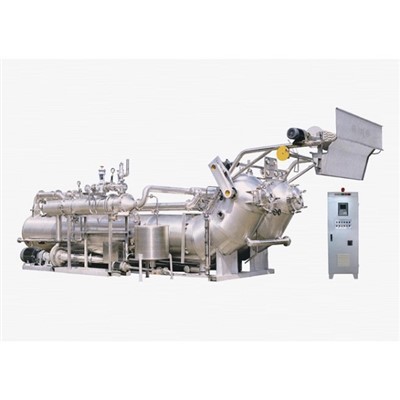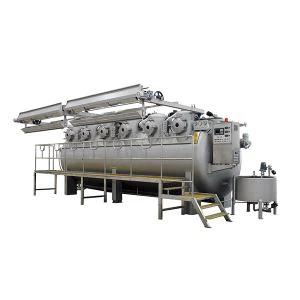
Adjusting the dye concentration in a Multi Nozzle Soft Flow Dyeing Machine is a crucial aspect of the textile dyeing process. As a trusted supplier of high - end Multi Nozzle Soft Flow Dyeing Machines, I understand the importance of getting this right to ensure consistent, high - quality dyeing results. In this blog, I'll share some professional insights on how to accurately adjust the dye concentration in these machines.
Understanding the Basics of Dye Concentration
Before delving into the adjustment process, it's essential to understand what dye concentration means. Dye concentration refers to the amount of dye present in a given volume of the dyeing solution. It is usually expressed in terms of grams per liter (g/L) or as a percentage. The right dye concentration is fundamental for achieving the desired color depth, shade, and color fastness of the textile materials.
If the dye concentration is too low, the fabric may not reach the intended color intensity. On the other hand, an excessively high dye concentration can lead to issues such as uneven dyeing, increased cost, and environmental concerns due to higher dye residues in the effluent.
Factors Affecting Dye Concentration
Several factors influence the appropriate dye concentration in a Multi Nozzle Soft Flow Dyeing Machine.
Fabric Type
Different fabrics have varying dye - absorbing properties. For example, natural fibers like cotton and silk tend to absorb dyes more readily compared to synthetic fibers such as polyester or nylon. When dyeing a fabric made of cotton, you might need a different dye concentration than when working with a polyester blend. This is because the chemical structure and porosity of the fibers determine how much dye can be fixed onto the fabric.
Dye Type
There are various types of dyes available in the market, including reactive dyes, direct dyes, disperse dyes, and acid dyes. Each type of dye has its own characteristics, such as solubility, affinity for different fibers, and dyeing mechanisms. Reactive dyes, for instance, form a covalent bond with the fabric fibers, and they often require a specific dye concentration and pH level during the dyeing process.
Dyeing Machine Capacity
The size and capacity of the Multi Nozzle Soft Flow Dyeing Machine also play a role. Larger machines may require higher amounts of dye to maintain the correct concentration across the larger volume of the dye liquor. Additionally, the flow rate and circulation pattern within the machine can affect how the dye is distributed and absorbed by the fabric, thus impacting the optimal dye concentration.
Steps to Adjust Dye Concentration
Pre - Dyeing Tests
Before starting a full - scale dyeing process, it's highly recommended to conduct pre - dyeing tests. Take small samples of the fabric and prepare a series of dye solutions with different concentrations. Use the same dyeing conditions (temperature, time, pH, etc.) as you plan to use in the actual production. Once the samples are dyed, evaluate the color results. You can measure the color fastness, color depth, and shade accuracy using color measurement instruments. Select the dye concentration that gives the most satisfactory results.
Calculate the Dye Amount
Based on the fabric weight, the desired shade, and the results of the pre - dyeing tests, calculate the amount of dye needed for the entire batch. Use the formula:
[Dye\ amount (g)=\frac{Dye\ concentration (g/L)\times Dye\ liquor\ volume (L)\times Fabric\ weight (kg)}{1000}]
Ensure that you accurately measure the fabric weight and the volume of the dye liquor. The dye liquor volume can be determined by the machine's specifications and the bath ratio (the ratio of the volume of the dye liquor to the weight of the fabric).
Dosing the Dye
In a Multi Nozzle Soft Flow Dyeing Machine, the dye is usually dosed into the system through a precise dosing device. If you are using a manual dosing system, make sure to follow the calculated dye amount precisely. For automated dosing systems, program the correct dye dosage according to your calculations. Add the dye slowly to the heated and circulating dye liquor to ensure even distribution.
Monitoring and Adjusting During the Dyeing Process
Continuous monitoring is essential during the dyeing process. Use in - line color sensors or take periodic samples from the dye liquor to measure the actual dye concentration. If the dye concentration is deviating from the desired level, you can make adjustments. If the concentration is too low, add small amounts of concentrated dye solution. If it's too high, you can add more water to dilute the dye liquor, but be cautious as this may also affect the dyeing time and other parameters.
Complementary Equipment and Their Impact
To better control the dye concentration in a Multi Nozzle Soft Flow Dyeing Machine, several complementary pieces of equipment can be utilized.
Automated Dyeing Controllers are highly beneficial. These controllers can accurately measure and adjust the dye concentration, temperature, and pH in real - time. They use advanced algorithms and sensors to ensure that the dyeing process is consistent and repeatable.


Filtration Systems are also crucial. They help to remove impurities from the dye liquor, which can affect the dyeing quality and the accuracy of the dye concentration measurement. By keeping the dye liquor clean, the filtration systems contribute to more stable dyeing results.
Related Machines from Our Portfolio
As a Multi Nozzle Soft Flow Dyeing Machine supplier, we also offer other related dyeing machines that can meet different needs.
The Atmospheric Soft Flow Dyeing Machine is designed for a wide range of fabric types. It operates under atmospheric pressure, providing a gentle and uniform dyeing process.
The Ultra Low Bath Ratio Energy Saving Dyeing Machine is an excellent choice for those looking to reduce water and energy consumption. It can achieve high - quality dyeing with a much lower bath ratio, which is not only environmentally friendly but also cost - effective.
For those specializing in cotton - ramie fabric dyeing, the Jet Dyeing Machine For Cotton - ramie Fabrics is a perfect fit. It is optimized for the unique properties of cotton - ramie blends, ensuring excellent color penetration and uniformity.
Conclusion
Adjusting the dye concentration in a Multi Nozzle Soft Flow Dyeing Machine requires a combination of scientific knowledge, practical experience, and the right equipment. By understanding the factors affecting dye concentration, following the proper adjustment steps, and leveraging complementary equipment, you can achieve consistent, high - quality dyeing results.
If you are in the textile dyeing industry and looking for reliable Multi Nozzle Soft Flow Dyeing Machines or related solutions, don't hesitate to contact us for procurement - related discussions. We are committed to providing you with top - notch products and professional technical support to meet your dyeing needs.
References
- Textile Dyeing Handbook, John Wiley & Sons
- Principles of Textile Coloration, CRC Press
- Advances in Textile Dyeing Technology, Woodhead Publishing