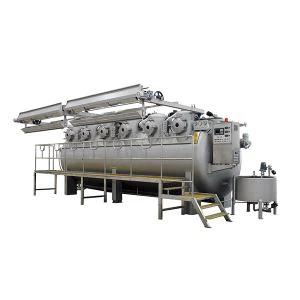
How to ensure the smooth operation of HTHP Rapid Jet Dyeing Machine for a long time?
As a trusted supplier of HTHP Rapid Jet Dyeing Machines, I understand the significance of ensuring these machines operate smoothly over an extended period. These advanced dyeing machines are at the heart of many textile dyeing processes, and their long - term, trouble - free operation can significantly impact the productivity and profitability of textile manufacturers. In this blog, I will share some key strategies and best practices to help you achieve this goal.
1. Regular Maintenance and Inspection
One of the fundamental steps in ensuring the long - term smooth operation of an HTHP Rapid Jet Dyeing Machine is regular maintenance. Just like any other industrial equipment, these machines are subject to wear and tear over time.
- Daily Checks: Conduct daily visual inspections of the machine. Check for any visible signs of leakage, loose connections, or abnormal vibrations. Inspect the pipes, valves, and seals for any signs of damage. Ensure that all safety devices are in proper working condition. For example, the pressure relief valves should be checked to make sure they can function correctly in case of over - pressure situations.
- Periodic Maintenance: Schedule periodic maintenance tasks such as lubrication of moving parts. The pumps, motors, and other mechanical components need to be lubricated at regular intervals to reduce friction and prevent premature wear. Also, clean the filters regularly. Clogged filters can reduce the efficiency of the machine and may even cause damage to the pumps. Replace worn - out parts promptly. For instance, if you notice that the nozzles are starting to show signs of wear, replace them as soon as possible to maintain the quality of the dyeing process.
2. Proper Installation and Commissioning
The initial installation and commissioning of the HTHP Rapid Jet Dyeing Machine are crucial for its long - term performance.
- Correct Placement: Ensure that the machine is installed in a suitable location. The area should be well - ventilated to dissipate heat generated during the operation of the machine. It should also have a stable floor to prevent vibrations from affecting the machine's performance. The location should be free from excessive dust and moisture, as these can cause corrosion and damage to the electrical and mechanical components.
- Professional Installation: Have the machine installed by trained technicians. They will ensure that all the components are correctly connected, and the machine is properly calibrated. During the commissioning process, they will test the machine under various operating conditions to ensure that it is functioning as expected. This includes checking the temperature control, pressure regulation, and dyeing uniformity.
3. Operator Training
Well - trained operators are essential for the smooth operation of the HTHP Rapid Jet Dyeing Machine.


- Technical Knowledge: Provide operators with comprehensive training on the machine's operation, including understanding the control panel, setting the correct parameters for different types of fabrics and dyes. They should know how to start and stop the machine safely, as well as how to troubleshoot common problems. For example, they should be able to recognize abnormal sounds or warning lights and take appropriate actions.
- Safety Awareness: Train operators on safety procedures. They should be aware of the potential hazards associated with the machine, such as high - temperature and high - pressure operations. Provide them with personal protective equipment (PPE) such as gloves, goggles, and heat - resistant clothing. Ensure that they follow all safety protocols during the operation of the machine.
4. Quality of Input Materials
The quality of the input materials used in the dyeing process can have a significant impact on the performance of the HTHP Rapid Jet Dyeing Machine.
- Fabric Quality: Use high - quality fabrics that are suitable for the dyeing process. Fabrics with excessive impurities or uneven textures can cause problems during dyeing and may also damage the machine. For example, fabrics with a high content of dirt or oil can clog the filters and nozzles.
- Dye Quality: Select high - quality dyes that are compatible with the machine and the fabric. Poor - quality dyes may contain impurities that can cause precipitation in the dyeing bath, leading to blockages in the pipes and nozzles. They may also not provide uniform dyeing results, which can affect the quality of the final product.
5. Monitoring and Data Analysis
Implement a monitoring system to track the performance of the HTHP Rapid Jet Dyeing Machine.
- Real - time Monitoring: Use sensors to monitor key parameters such as temperature, pressure, flow rate, and dye concentration in real - time. This allows operators to detect any deviations from the normal operating conditions promptly. For example, if the temperature suddenly rises or the pressure drops, it could indicate a problem with the machine or the dyeing process.
- Data Analysis: Analyze the collected data over time to identify trends and patterns. This can help in predicting potential problems and taking preventive measures. For instance, if you notice that the energy consumption of the machine is gradually increasing, it could be a sign of a malfunctioning component that needs to be addressed.
6. Upgrading and Modernization
Keep the HTHP Rapid Jet Dyeing Machine up - to - date with the latest technology.
- Software Updates: Install software updates provided by the manufacturer. These updates can improve the machine's performance, add new features, and enhance the stability of the control system. For example, new software may offer better temperature control algorithms or more accurate dye dosing functions.
- Hardware Upgrades: Consider upgrading the hardware components of the machine when necessary. For example, upgrading to more energy - efficient motors can reduce the operating costs of the machine. Newer models of nozzles may provide better dyeing results and longer service life.
In conclusion, ensuring the long - term smooth operation of an HTHP Rapid Jet Dyeing Machine requires a comprehensive approach that includes regular maintenance, proper installation, operator training, using high - quality input materials, monitoring, and upgrading. By following these strategies, textile manufacturers can maximize the efficiency and lifespan of their dyeing machines, leading to higher productivity and better - quality products.
If you are in the market for a reliable HTHP Fabric Dyeing Machine, our HTHP LA Series Jet Dyeing Machine For Warp - knitted Velvet or other HTHP Jet Dyeing Machine models, we are here to provide you with the best solutions. We invite you to contact us for more information and to discuss your specific requirements. Our team of experts is ready to assist you in making the right choice for your textile dyeing needs.
References
- "Textile Dyeing Machinery Handbook", published by a leading textile machinery industry publisher.
- Manufacturer's manuals and technical documents for HTHP Rapid Jet Dyeing Machines.