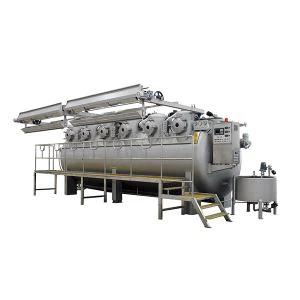
Hey there! As a supplier of HTHP Fabric Dyeing Machines, I know firsthand how crucial it is to keep the fabric conveyor running smoothly in these machines. A well - functioning conveyor ensures even dyeing, reduces production downtime, and ultimately saves you money. So, let's dive into how you can make sure your fabric conveyor in the HTHP Fabric Dyeing Machine operates like a charm.
Regular Inspection and Maintenance
The first and most important step is regular inspection. You can't expect your conveyor to work well if you're not keeping an eye on it. At least once a week, take a good look at the conveyor belt. Check for any signs of wear and tear, like fraying, cracking, or unevenness. If you spot any issues early on, you can address them before they turn into major problems.
Also, don't forget about the rollers. The rollers are what keep the belt moving, so they need to be in top - notch condition. Look for any signs of corrosion or damage. If a roller is not spinning freely, it can cause the belt to slip or move unevenly, which will mess up the dyeing process.
Lubrication is another key part of maintenance. The moving parts of the conveyor, such as the bearings and gears, need to be properly lubricated. Use a high - quality lubricant recommended by the machine manufacturer. Over - lubricating can attract dirt and debris, while under - lubricating can lead to excessive friction and wear. So, find that sweet spot and keep those parts well - oiled.
Proper Cleaning
Cleaning the fabric conveyor is a must. During the dyeing process, dye residues, fabric fibers, and other contaminants can build up on the belt and rollers. This not only affects the appearance of the fabric but can also cause the conveyor to malfunction.
Use a mild cleaning solution to clean the belt. Avoid using harsh chemicals that can damage the belt material. Gently scrub the belt with a soft brush to remove any stubborn stains. For the rollers, you can use a clean cloth to wipe them down. Make sure to clean the entire conveyor system, including the sides and the area around the rollers.
After cleaning, rinse the conveyor thoroughly with water to remove any cleaning solution residues. Let it dry completely before starting the machine again. A clean conveyor not only runs more smoothly but also extends the lifespan of the machine.
Correct Installation
Getting the installation right from the start is super important. When installing the fabric conveyor in your HTHP Fabric Dyeing Machine, follow the manufacturer's instructions to the letter. The belt needs to be properly tensioned. If it's too loose, it will slip, and if it's too tight, it can cause excessive wear on the belt and rollers.
Make sure the conveyor is aligned correctly. Misaligned conveyors can cause the belt to run off - track, which can lead to jams and other problems. Check the alignment of the rollers and the belt regularly, especially after any maintenance work or if you notice the belt is not moving straight.
Operator Training
Your operators play a huge role in ensuring the smooth operation of the fabric conveyor. They need to be properly trained on how to use the machine correctly. Teach them about the importance of regular inspection, maintenance, and cleaning.
Show them how to load the fabric onto the conveyor properly. Incorrect loading can cause the fabric to bunch up or get caught in the conveyor, leading to damage. Train them to recognize the signs of a problem, such as unusual noises or vibrations, and what to do if they encounter an issue.
A well - trained operator can prevent a lot of potential problems and keep the conveyor running smoothly day in and day out.
Monitoring and Control
Invest in a good monitoring system. Modern HTHP Fabric Dyeing Machines often come with built - in monitoring features that can track the speed, tension, and other parameters of the conveyor. Use these features to keep an eye on the conveyor's performance.
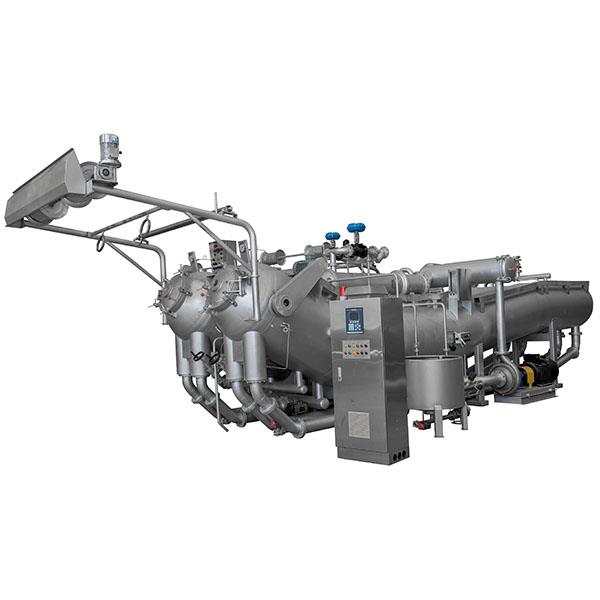

If you notice any deviations from the normal operating parameters, take action immediately. For example, if the conveyor speed suddenly drops, it could indicate a problem with the motor or a blockage in the system. By monitoring the conveyor closely, you can catch these issues early and prevent major breakdowns.
Upgrading and Replacing Parts
As your HTHP Fabric Dyeing Machine ages, some parts of the conveyor may need to be upgraded or replaced. For example, if you're using an older model of the conveyor belt that is prone to wear, consider upgrading to a more durable and high - performance belt.
Keep an inventory of spare parts, such as belts, rollers, and bearings. This way, if a part fails, you can replace it quickly and minimize downtime. When replacing parts, make sure to use genuine parts recommended by the machine manufacturer. Using non - genuine parts can void the warranty and may not work as well as the original parts.
Compatibility with Other Machine Components
The fabric conveyor doesn't work in isolation. It needs to be compatible with other components of the HTHP Fabric Dyeing Machine, such as the dyeing chamber and the circulation system.
Make sure the conveyor speed is synchronized with the dyeing process. If the conveyor moves too fast or too slow, it can affect the dye penetration and the overall quality of the dyed fabric. Also, ensure that the fabric flow from the conveyor to the dyeing chamber is smooth and unobstructed.
For example, if you're using a HTHP Dual Flow Dyeing Machine or a Dual Flow Dyeing Machine, the conveyor needs to be designed to work in harmony with the dual - flow system. This ensures that the fabric is evenly dyed and that the entire process runs smoothly.
Conclusion
Ensuring the smooth operation of the fabric conveyor in your HTHP Fabric Dyeing Machine is a combination of regular maintenance, proper cleaning, correct installation, operator training, monitoring, and using the right parts. By following these tips, you can keep your conveyor running efficiently, reduce production downtime, and improve the quality of your dyed fabrics.
If you're in the market for a new HTHP Fabric Dyeing Machine or need help with maintaining your existing one, don't hesitate to reach out. We're here to assist you in making the most of your dyeing operations. Contact us for more information and to start a procurement discussion.
References
- Manufacturer's manual of HTHP Fabric Dyeing Machine
- Industry best practices for fabric conveyor maintenance in dyeing machines