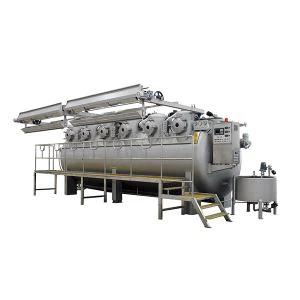
Hey there! As a supplier of Jet Dyeing Machines, I've seen firsthand how crucial it is to keep the pump running smoothly in these machines. A well - functioning pump is the heart of a Jet Dyeing Machine, ensuring that the dyeing process goes off without a hitch. So, let's dive into how you can make sure your pump operates smoothly.
1. Regular Maintenance
Just like your car needs regular oil changes and tune - ups, the pump in a Jet Dyeing Machine requires consistent maintenance. One of the first things you should do is check the pump's filters. Filters are like the lungs of the pump, and if they get clogged with debris, it can really slow things down. You should clean or replace the filters at least once a month, depending on how often you use the machine.
Another important aspect of maintenance is lubrication. The moving parts of the pump need proper lubrication to reduce friction and prevent wear and tear. Make sure to use the right type of lubricant recommended by the manufacturer. Check the lubricant levels regularly and top them up as needed.
Also, don't forget to inspect the seals. Leaky seals can cause a loss of pressure and reduce the efficiency of the pump. If you notice any signs of leakage, such as puddles of liquid around the pump, replace the seals immediately.
2. Proper Installation
The way you install the pump can have a huge impact on its performance. First of all, make sure the pump is installed on a stable surface. A wobbly or uneven surface can cause vibrations, which can damage the pump over time.
When connecting the pipes to the pump, ensure that the connections are tight and leak - free. Loose connections can lead to air leaks, which can disrupt the flow of the dyeing solution. It's also a good idea to use flexible hoses where possible to absorb any vibrations and prevent stress on the pump.
3. Monitoring the Operating Conditions
Keep a close eye on the operating conditions of the pump. The temperature and pressure are two key factors. High temperatures can cause the pump's components to expand and wear out faster. Make sure the pump is operating within the recommended temperature range. You can use a thermometer to monitor the temperature regularly.
Similarly, the pressure should be within the specified limits. If the pressure is too high, it can put excessive stress on the pump and cause damage. On the other hand, if the pressure is too low, the dyeing process may not be effective. Use a pressure gauge to monitor the pressure and adjust it as needed.
4. Using High - Quality Dyeing Solutions
The quality of the dyeing solutions you use can also affect the pump's performance. Low - quality solutions may contain impurities that can clog the pump's filters and nozzles. Always use high - quality dyeing solutions that are free from contaminants.
Before adding the dyeing solution to the machine, make sure to filter it to remove any large particles. This will help prevent blockages in the pump and ensure a smooth flow of the solution.
5. Training the Operators
Your operators play a vital role in ensuring the smooth operation of the pump. Make sure they are properly trained on how to use the Jet Dyeing Machine and the pump. They should know how to start and stop the pump correctly, how to monitor the operating conditions, and how to perform basic maintenance tasks.
Provide regular training sessions to keep the operators updated on the latest best practices. Encourage them to report any issues they notice with the pump immediately so that problems can be addressed before they become major.
Specific Jet Dyeing Machine Models
We offer a range of Jet Dyeing Machines, each with its own unique features. For example, our High Temperature High Pressure Dyeing Machine is designed to handle high - temperature and high - pressure dyeing processes. It's perfect for fabrics that require intense dyeing conditions.
If you're working with coral fleece or coral velvet, our HTHP Jet Dyeing Machine For Coral Fleece Coral Velvet is the ideal choice. This machine is specifically engineered to provide uniform dyeing results for these delicate fabrics.


And for rapid fabric dyeing, our HTHP Long Tube Rapid Fabric Dyeing Machine is a great option. It can dye fabrics quickly and efficiently, saving you time and energy.
Conclusion
Ensuring the smooth operation of the pump in a Jet Dyeing Machine is essential for a successful dyeing process. By following these tips on regular maintenance, proper installation, monitoring operating conditions, using high - quality dyeing solutions, and training your operators, you can keep your pump running smoothly for years to come.
If you're in the market for a Jet Dyeing Machine or need more information on how to maintain your existing one, don't hesitate to reach out. We're here to help you make the most of your dyeing operations. Contact us to start a procurement discussion and find the perfect solution for your needs.
References
- Manufacturer's manuals for Jet Dyeing Machines
- Industry best practices for pump maintenance in textile dyeing