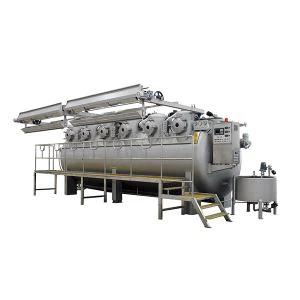
Hey there! As a supplier of Dual Flow Dyeing Machines, I've had my fair share of experiences in the textile dyeing industry. Evaluating the performance of a Dual Flow Dyeing Machine is crucial, whether you're a textile manufacturer looking to invest or just curious about how these machines work. In this blog, I'll share some key aspects to consider when assessing the performance of a Dual Flow Dyeing Machine.
1. Dyeing Efficiency
One of the first things you want to look at is how efficiently the machine can dye fabrics. Efficiency here is all about how quickly and evenly the dye is applied to the textile. A high - efficiency Dual Flow Dyeing Machine should be able to reduce the dyeing time without compromising on the quality of the dyeing.
For example, if you're using a HTHP Double Liquid Flow Loose Dyeing Machine, it should be able to handle large batches of loose fibers or fabrics in a relatively short period. The dual flow system helps in circulating the dye liquor more effectively, ensuring that every part of the fabric gets an equal amount of dye. This not only saves time but also reduces the amount of dye wasted.
To measure dyeing efficiency, you can calculate the dyeing time per unit of fabric. A good Dual Flow Dyeing Machine should have a relatively low dyeing time compared to traditional single - flow machines. You can also check the percentage of dye exhaustion, which is the amount of dye that is actually absorbed by the fabric. A higher dye exhaustion rate means less dye is left in the dye liquor, which is both cost - effective and environmentally friendly.
2. Color Fastness
Color fastness is another critical factor. It refers to how well the color of the dyed fabric withstands various external factors such as washing, rubbing, and exposure to light. A high - performing Dual Flow Dyeing Machine should be able to achieve excellent color fastness.
The machine's ability to control the dyeing process precisely plays a big role in color fastness. For instance, the temperature, pressure, and pH level during dyeing need to be carefully regulated. The dual flow system in the machine helps in maintaining a uniform environment throughout the dyeing process, which is essential for consistent color fastness.
You can test color fastness using standard methods such as the ISO or AATCC test methods. These tests simulate real - world conditions like washing, dry - cleaning, and light exposure. If the fabric dyed by the Dual Flow Dyeing Machine passes these tests with high ratings, it's a good sign that the machine is performing well.
3. Fabric Quality Preservation
A great Dual Flow Dyeing Machine should not only dye the fabric effectively but also preserve its quality. Fabrics can be delicate, and the dyeing process can sometimes cause damage such as shrinkage, loss of softness, or mechanical damage.
The design of the machine's flow system is crucial here. The dual flow should be gentle enough on the fabric to prevent excessive agitation that could lead to damage. For example, a High Temperature High Pressure High Speed Dyeing Machine needs to balance the high - speed circulation of the dye liquor with the protection of the fabric.
You can assess fabric quality preservation by comparing the physical properties of the fabric before and after dyeing. Parameters like tensile strength, elongation, and fabric handle can give you an idea of how well the machine has preserved the fabric's quality.
4. Energy Consumption
In today's world, energy efficiency is a top concern for any manufacturing process, including textile dyeing. A Dual Flow Dyeing Machine that consumes less energy is not only cost - effective but also more environmentally friendly.
The dual flow system can contribute to energy savings in several ways. By circulating the dye liquor more efficiently, it reduces the need for excessive pumping and heating. Some advanced Dual Flow Dyeing Machines also come with energy - saving features such as heat recovery systems.

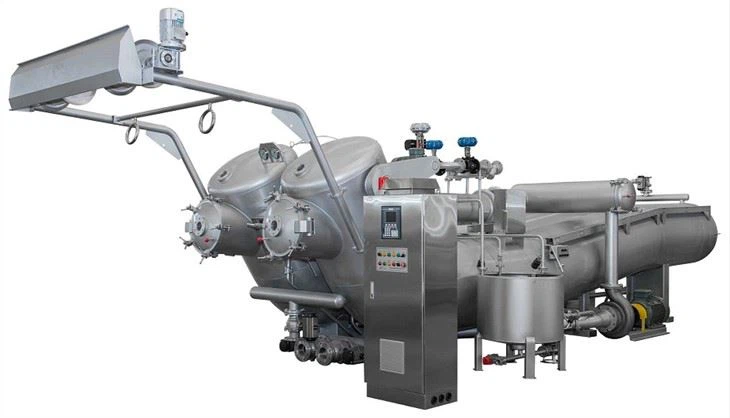
To evaluate energy consumption, you can look at the machine's power rating and calculate the energy used per batch of fabric dyed. Comparing the energy consumption of different Dual Flow Dyeing Machines can help you choose the most energy - efficient option.
5. Automation and Control
Modern Dual Flow Dyeing Machines are often equipped with advanced automation and control systems. These systems make the dyeing process more precise, consistent, and easier to operate.
An automated machine can control various parameters such as temperature, pressure, flow rate, and dye dosage accurately. This reduces the chances of human error and ensures that each batch of fabric is dyed under the same optimal conditions.
You can evaluate the automation and control capabilities of a Dual Flow Dyeing Machine by looking at the user interface. A user - friendly interface with clear displays and easy - to - use controls is a plus. Also, check if the machine can store and recall different dyeing recipes, which can save a lot of time and effort in the long run.
6. Maintenance and Durability
A Dual Flow Dyeing Machine is a significant investment, so you want it to be durable and easy to maintain. A machine that is well - built and requires minimal maintenance will save you time and money in the long term.
Look at the materials used in the construction of the machine. High - quality materials like stainless steel are more resistant to corrosion and wear. The design of the machine should also allow for easy access to critical components for cleaning and maintenance.
You can also check the manufacturer's warranty and after - sales service. A good warranty period indicates that the manufacturer has confidence in the durability of their product. And reliable after - sales service means that you can get timely support if any issues arise.
7. Compatibility with Different Fabrics
A versatile Dual Flow Dyeing Machine should be able to handle a wide range of fabrics, from natural fibers like cotton and silk to synthetic fibers like polyester and nylon. Different fabrics have different dyeing requirements, such as different dye types, temperature ranges, and pH levels.
For example, a Jet Dyeing Machine For Polar Fleece needs to be specifically designed to handle the unique properties of polar fleece, such as its fluffy texture and high - speed dyeing requirements.
To assess compatibility, you can test the machine with different types of fabrics and see how well it performs. Look at the color uniformity, color fastness, and fabric quality preservation for each fabric type.
In conclusion, evaluating the performance of a Dual Flow Dyeing Machine involves considering multiple factors. From dyeing efficiency and color fastness to energy consumption and compatibility with different fabrics, each aspect plays a crucial role in determining the machine's overall performance.
If you're in the market for a Dual Flow Dyeing Machine and want to learn more about our products or discuss your specific requirements, don't hesitate to reach out. We're here to help you make the best choice for your textile dyeing needs.
References
- Textile Dyeing Handbook: Principles, Processes, and Types of Dyes
- Journal of Textile Engineering and Fashion Technology articles on Dual Flow Dyeing Machines
- Industry reports on the latest trends in textile dyeing machinery