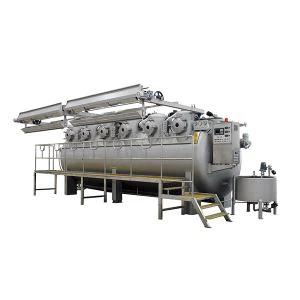
In the textile industry, the environmental impact of dyeing processes has become a significant concern. As a supplier of Rapid Jet Fabric Dyeing Machines, I often face questions about the environmental friendliness of our products. In this blog, I will delve into this topic, analyzing the environmental aspects of our Rapid Jet Fabric Dyeing Machines from multiple perspectives.
Water Consumption
One of the most critical environmental factors in textile dyeing is water consumption. Traditional dyeing methods typically use large amounts of water for the dyeing process, washing, and rinsing. This not only leads to high water usage but also generates a substantial amount of wastewater, which can be challenging to treat.
Our Rapid Jet Fabric Dyeing Machines are designed with water - saving features. These machines use a jet - flow system to circulate the dye liquor through the fabric. The high - speed jet flow ensures efficient dye penetration into the fabric fibers, reducing the need for excessive water. Compared to traditional dyeing machines, our Rapid Jet Fabric Dyeing Machines can reduce water consumption by up to 30% - 50%. This significant reduction in water usage not only conserves a precious natural resource but also lowers the volume of wastewater generated.
For example, a textile factory that previously used a traditional dyeing machine and consumed 100 cubic meters of water per day for dyeing processes could potentially reduce its water consumption to 50 - 70 cubic meters per day by switching to our Rapid Jet Fabric Dyeing Machine. This not only results in cost savings for the factory but also has a positive environmental impact.
Energy Efficiency
Energy consumption is another crucial aspect of environmental friendliness in textile dyeing. Dyeing processes often require heating the dye liquor to specific temperatures, which consumes a large amount of energy. Our Rapid Jet Fabric Dyeing Machines are equipped with advanced heating systems that are designed for energy efficiency.
The high - pressure jet system in our machines allows for faster heat transfer to the fabric. This means that the dye liquor can reach the required temperature more quickly, reducing the overall energy consumption during the heating process. Additionally, our machines are insulated to minimize heat loss, further improving energy efficiency.
In comparison to some older - model dyeing machines, our Rapid Jet Fabric Dyeing Machines can reduce energy consumption by approximately 20% - 30%. This reduction in energy consumption not only helps textile manufacturers save on energy costs but also reduces the carbon footprint associated with the dyeing process. For instance, if a factory was previously spending a significant amount on electricity or gas for heating the dye liquor, switching to our machine could result in substantial long - term savings.
Chemical Usage
The use of chemicals in textile dyeing is a major environmental concern. Excessive chemical usage can lead to pollution in water bodies and harm to the environment. Our Rapid Jet Fabric Dyeing Machines are designed to optimize chemical usage.
The jet - flow technology in our machines ensures that the dye is evenly distributed on the fabric. This means that less dye is wasted, and the dyeing process is more efficient. In addition, the machines can be programmed to precisely control the amount of chemicals added to the dye liquor, reducing the risk of over - dosing.
Compared to traditional dyeing methods, our machines can reduce chemical usage by up to 20% - 30%. This reduction in chemical usage not only reduces the environmental impact but also improves the quality of the dyed fabric. With less chemical residue on the fabric, the fabric is softer and more comfortable to wear, and there is less risk of skin irritation for consumers.
Waste Reduction
In addition to water, energy, and chemical savings, our Rapid Jet Fabric Dyeing Machines also contribute to waste reduction. The efficient dyeing process reduces the amount of un - dyed or poorly - dyed fabric, which would otherwise be discarded as waste.
The high - pressure jet system ensures uniform dyeing across the fabric, minimizing the need for re - dyeing. This reduces the amount of fabric waste generated during the dyeing process. Moreover, the reduced water and chemical usage also mean that there is less waste associated with the treatment of wastewater and the disposal of unused chemicals.
Comparison with Other Dyeing Machines
Let's compare our Rapid Jet Fabric Dyeing Machines with some other types of dyeing machines available in the market.
- High Pressure Jet Dyeing Machine: The High Pressure Jet Dyeing Machine is a popular option in the textile industry. While it shares some similarities with our Rapid Jet Fabric Dyeing Machine in terms of the high - pressure jet technology, our machine has been further optimized for water, energy, and chemical savings. Our machine uses a more advanced control system to precisely regulate the jet flow, temperature, and chemical dosage, resulting in better environmental performance.
- High - Pressure Rapid Dyeing Machine For Mesh Fabric Dyeing: The High - Pressure Rapid Dyeing Machine For Mesh Fabric Dyeing is specifically designed for mesh fabrics. Our Rapid Jet Fabric Dyeing Machine, on the other hand, is more versatile and can be used for a wide range of fabric types. It also offers better environmental features, such as lower water and energy consumption, making it a more sustainable choice for textile manufacturers.
- High Temp Flexible Jet Dyeing Machine: The High Temp Flexible Jet Dyeing Machine is suitable for high - temperature dyeing processes. Our machine, however, combines high - temperature performance with excellent environmental friendliness. It can achieve the same high - quality dyeing results at a lower environmental cost, thanks to its innovative design and advanced technology.
Conclusion
In conclusion, our Rapid Jet Fabric Dyeing Machines are indeed environmentally friendly. They offer significant advantages in terms of water conservation, energy efficiency, chemical reduction, and waste reduction. By choosing our machines, textile manufacturers can not only reduce their environmental impact but also save on costs in the long run.


If you are a textile manufacturer looking for a more sustainable and efficient dyeing solution, I encourage you to contact us for more information. Our team of experts is ready to provide you with detailed product information and help you make an informed decision. Let's work together to create a more sustainable future for the textile industry.
References
- "Textile Dyeing and Finishing: Environmental Impact and Solutions" - A research report on the environmental aspects of textile dyeing processes.
- "Advances in Dyeing Machine Technology" - A technical journal article discussing the latest developments in dyeing machine technology.