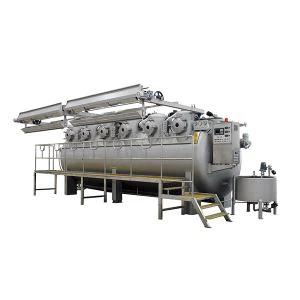
Hey there! As a supplier of HTHP Knit Fabric Dyeing Machines, I've seen firsthand the challenges and opportunities in the dyeing process. In this blog, I'm gonna share some tips on how to optimize the dyeing process of HTHP Knit Fabric Dyeing Machines.
Understanding the Basics of HTHP Knit Fabric Dyeing
First things first, let's quickly go over what HTHP stands for: High Temperature High Pressure. This type of dyeing machine is widely used in the textile industry because it can achieve deep, even colors on knit fabrics. The high temperature helps the dye molecules penetrate the fabric fibers better, while the high pressure ensures a more uniform distribution of the dye.
But using an HTHP Knit Fabric Dyeing Machine isn't just about cranking up the heat and pressure. There are several factors that need to be considered to get the best results.
Fabric Selection and Preparation
The type of fabric you're dyeing matters a lot. Different knit fabrics have different fiber compositions, which means they'll react differently to the dyeing process. For example, natural fibers like cotton and wool may require different dyeing conditions compared to synthetic fibers like polyester.
Before dyeing, it's important to prepare the fabric properly. This includes cleaning the fabric to remove any dirt, oil, or sizing agents that could interfere with the dyeing process. You can use a mild detergent and warm water to wash the fabric, and then rinse it thoroughly.


Dye Selection
Choosing the right dye is crucial. There are various types of dyes available, such as reactive dyes, disperse dyes, and acid dyes. Each type of dye is suitable for different types of fabrics. For instance, reactive dyes are commonly used for natural fibers, while disperse dyes are better for synthetic fibers.
You also need to consider the color fastness of the dye. Color fastness refers to how well the color stays on the fabric after washing, rubbing, or exposure to light. Look for dyes that have good color fastness ratings to ensure that the dyed fabric will maintain its color over time.
Machine Settings
The settings on your HTHP Knit Fabric Dyeing Machine play a significant role in the dyeing process. Here are some key settings to pay attention to:
- Temperature: The temperature affects how quickly the dye molecules penetrate the fabric fibers. Higher temperatures generally result in faster dyeing, but they also increase the risk of damaging the fabric. You need to find the right balance based on the type of fabric and dye you're using.
- Pressure: The pressure helps to ensure that the dye is evenly distributed throughout the fabric. However, too much pressure can cause the fabric to shrink or deform. Make sure to follow the manufacturer's recommendations for the appropriate pressure settings.
- Time: The dyeing time depends on several factors, including the type of fabric, dye, and machine settings. Generally, longer dyeing times can result in deeper colors, but you don't want to over-dye the fabric. Start with a shorter dyeing time and then adjust it as needed.
Optimizing the Dyeing Process
Now that we've covered the basics, let's dive into some specific tips on how to optimize the dyeing process.
Pre-Dyeing Testing
Before dyeing a large batch of fabric, it's a good idea to do some pre-dyeing testing. Take a small sample of the fabric and dye it using the same settings and dyes you plan to use for the full batch. This will allow you to see how the fabric reacts to the dyeing process and make any necessary adjustments.
You can also test different dye concentrations and machine settings to find the combination that gives you the best color and quality. This way, you can avoid wasting time and resources on a large batch of fabric that doesn't turn out as expected.
Using Additives
Additives can be used to improve the dyeing process. For example, leveling agents can help to ensure that the dye is evenly distributed throughout the fabric, resulting in a more uniform color. Salt and soda ash are commonly used as additives in the dyeing of natural fibers to help the dye react with the fabric.
However, it's important to use additives in the right amounts. Too much of an additive can cause problems such as uneven dyeing or damage to the fabric. Follow the manufacturer's instructions carefully when using additives.
Machine Maintenance
Regular maintenance of your HTHP Knit Fabric Dyeing Machine is essential to keep it running smoothly and to ensure consistent dyeing results. Here are some maintenance tasks you should perform:
- Cleaning: Clean the machine regularly to remove any dye residues, dirt, or debris. You can use a cleaning solution recommended by the manufacturer to clean the interior of the machine.
- Calibration: Periodically calibrate the machine to ensure that the temperature, pressure, and other settings are accurate. This will help to prevent any variations in the dyeing process.
- Inspection: Check the machine for any signs of wear and tear, such as leaks or damaged parts. Replace any worn or damaged parts immediately to avoid any potential problems.
Process Monitoring
During the dyeing process, it's important to monitor the machine and the fabric closely. You can use sensors and monitoring devices to keep track of the temperature, pressure, and other parameters. This will allow you to detect any issues early on and make any necessary adjustments.
You should also check the fabric periodically to see how the dyeing is progressing. If you notice any uneven dyeing or other problems, you can stop the process and make the necessary changes.
Case Studies
Let's take a look at some real-world examples of how optimizing the dyeing process can lead to better results.
Case 1: Dyeing Cotton Knit Fabric
A textile manufacturer was having trouble getting consistent colors when dyeing cotton knit fabric using an HTHP Knit Fabric Dyeing Machine. After conducting some pre-dyeing testing, they found that the temperature was too high, which was causing the fabric to shrink and the color to be uneven.
They adjusted the temperature settings and used a different type of reactive dye that was more suitable for cotton. They also added a leveling agent to the dye bath to help distribute the dye more evenly. As a result, they were able to achieve more consistent colors and reduce the amount of waste.
Case 2: Dyeing Polyester Knit Fabric
Another company was struggling with poor color fastness when dyeing polyester knit fabric. They discovered that the dye they were using was not compatible with the fabric, and the dyeing time was too short.
They switched to a disperse dye that was specifically designed for polyester, and increased the dyeing time. They also made sure to use the correct temperature and pressure settings. After these changes, the color fastness of the dyed fabric improved significantly.
Conclusion
Optimizing the dyeing process of HTHP Knit Fabric Dyeing Machines requires a combination of knowledge, experience, and attention to detail. By considering factors such as fabric selection, dye selection, machine settings, and process monitoring, you can achieve better dyeing results, reduce waste, and improve the quality of your dyed fabrics.
If you're in the market for a high-quality HTHP Knit Fabric Dyeing Machine, we have some great options available. Check out our TH-VA High-Pressure Rapid Dyeing Machine For Terry Fabric, High Temperature High Speed Dyeing Machine, and Jet Dyeing Machine For Velboa Fabric.
If you have any questions or would like to discuss your specific dyeing needs, feel free to reach out to us. We're here to help you find the best solution for your business.
References
- Textile Dyeing Handbook, Third Edition by Lewis M.
- The Chemistry of Synthetic Dyes, Volume 1 by K. Venkataraman