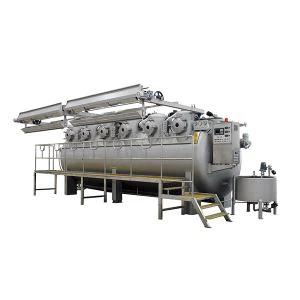
Color bleeding is a common issue in textile dyeing processes, especially when using a Soft Flow Dyeing Machine. As a supplier of Soft Flow Dyeing Machines, I understand the challenges that textile manufacturers face when dealing with color bleeding. In this blog post, I will share some effective strategies to prevent color bleeding in a Soft Flow Dyeing Machine.
Understanding Color Bleeding
Before we delve into the prevention methods, it's essential to understand what color bleeding is. Color bleeding occurs when the dye migrates from the dyed fabric to the surrounding areas or other fabrics during the dyeing process. This can result in uneven color distribution, staining of other fabrics, and a decrease in the overall quality of the dyed products.
There are several factors that can contribute to color bleeding in a Soft Flow Dyeing Machine, including:
- Dye quality: Low-quality dyes may not have good fixation properties, leading to color bleeding.
- Dyeing temperature and time: Incorrect dyeing temperature and time can affect the dye fixation process, causing color bleeding.
- Fabric type: Different fabric types have different dyeing characteristics, and some fabrics are more prone to color bleeding than others.
- Machine settings: Improper machine settings, such as flow rate, pressure, and agitation, can also contribute to color bleeding.
Strategies to Prevent Color Bleeding
1. Choose High-Quality Dyes
One of the most effective ways to prevent color bleeding is to use high-quality dyes. High-quality dyes have better fixation properties, which means they are more likely to adhere to the fabric fibers and less likely to bleed. When selecting dyes, look for products that are specifically designed for the type of fabric you are dyeing and that have a good reputation for color fastness.


2. Optimize Dyeing Parameters
Proper dyeing parameters are crucial for preventing color bleeding. Here are some key parameters to consider:
- Temperature: The dyeing temperature should be carefully controlled to ensure that the dye is properly fixed to the fabric fibers. Different dyes have different optimal dyeing temperatures, so it's important to follow the manufacturer's recommendations.
- Time: The dyeing time should also be optimized to ensure that the dye has enough time to penetrate the fabric fibers and fix properly. However, over-dyeing can also cause color bleeding, so it's important to find the right balance.
- pH level: The pH level of the dye bath can also affect the dye fixation process. Most dyes require a specific pH range for optimal fixation, so it's important to adjust the pH level of the dye bath accordingly.
3. Pre-Treat the Fabric
Pre-treating the fabric before dyeing can help to improve the dye fixation process and prevent color bleeding. There are several pre-treatment methods that can be used, including:
- Scouring: Scouring is a process that removes impurities and natural oils from the fabric surface, making it more receptive to the dye. This can help to improve the dye fixation and reduce color bleeding.
- Mercerization: Mercerization is a process that treats the fabric with a caustic soda solution to improve its strength, luster, and dyeability. This can also help to prevent color bleeding.
- Anti-Bleeding Agents: Anti-bleeding agents can be added to the pre-treatment bath to help prevent color bleeding during the dyeing process. These agents work by forming a protective layer on the fabric surface that prevents the dye from migrating.
4. Adjust Machine Settings
Proper machine settings are also important for preventing color bleeding. Here are some key machine settings to consider:
- Flow Rate: The flow rate of the dye bath should be carefully controlled to ensure that the fabric is evenly exposed to the dye. A too-high flow rate can cause the dye to be washed off the fabric, while a too-low flow rate can result in uneven dyeing.
- Pressure: The pressure in the dyeing machine should also be carefully controlled to ensure that the fabric is properly agitated and that the dye is evenly distributed. However, too-high pressure can also cause the fabric to be damaged and lead to color bleeding.
- Agitation: Agitation is important for ensuring that the dye is evenly distributed throughout the fabric. However, over-agitation can also cause the fabric to be damaged and lead to color bleeding. It's important to find the right balance between agitation and fabric protection.
5. Post-Treat the Fabric
Post-treating the fabric after dyeing can help to improve the color fastness and prevent color bleeding. There are several post-treatment methods that can be used, including:
- Rinsing: Rinsing the fabric thoroughly after dyeing can help to remove any excess dye and prevent color bleeding. It's important to use clean water and to rinse the fabric multiple times to ensure that all of the excess dye is removed.
- Fixing: Fixing the dye to the fabric fibers is an important step in preventing color bleeding. There are several fixing methods that can be used, including using a fixing agent or heat treatment.
- Drying: Drying the fabric properly after dyeing can also help to prevent color bleeding. It's important to dry the fabric at a low temperature and to avoid over-drying, which can cause the fabric to shrink and the dye to bleed.
Our Soft Flow Dyeing Machines
At our company, we offer a range of Soft Flow Dyeing Machines that are designed to provide efficient and high-quality dyeing solutions. Our machines are equipped with advanced features and technologies that help to prevent color bleeding and ensure consistent dyeing results.
- High Temperature Overflow Dyeing Machine: This machine is suitable for dyeing a wide range of fabrics, including natural fibers, synthetic fibers, and blends. It features a high-temperature overflow system that ensures even dyeing and prevents color bleeding.
- Ecofriendly Energy Saving Soft Flow Fabric Dyeing Machine: This machine is designed to be environmentally friendly and energy-efficient. It uses a soft flow system that reduces the amount of water and energy required for dyeing, while still providing high-quality dyeing results.
- High Temperature High Pressure Soft Flow Dyeing Machine: This machine is suitable for dyeing high-quality fabrics that require high-temperature and high-pressure dyeing conditions. It features a soft flow system that ensures even dyeing and prevents color bleeding, even under extreme conditions.
Conclusion
Color bleeding is a common issue in textile dyeing processes, but it can be effectively prevented by following the strategies outlined in this blog post. By choosing high-quality dyes, optimizing dyeing parameters, pre-treating the fabric, adjusting machine settings, and post-treating the fabric, you can ensure that your dyed products have consistent color and high color fastness.
If you are interested in learning more about our Soft Flow Dyeing Machines or have any questions about preventing color bleeding, please feel free to contact us. We would be happy to help you find the right solution for your textile dyeing needs.
References
- "Textile Dyeing and Finishing" by Peter A. Trotman
- "Handbook of Textile and Industrial Dyeing" edited by M. M. Rahman
- "Dyeing of Textiles" by R. M. Christie