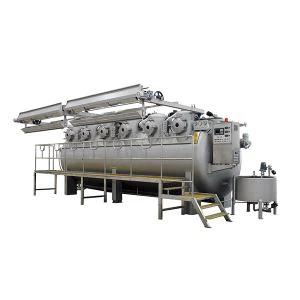
Selecting the appropriate dye for a High-Temperature High-Pressure (HTHP) Fabric Dyeing Machine is a crucial step that can significantly impact the quality, appearance, and durability of the dyed fabric. As a supplier of HTHP Fabric Dyeing Machines, I understand the importance of this process and am here to share some insights and guidelines to help you make the right choice.
Understanding the HTHP Fabric Dyeing Process
The HTHP fabric dyeing process involves dyeing fabrics at high temperatures (usually between 120°C - 140°C) and high pressures. This method is widely used for synthetic fibers such as polyester, nylon, and some blends because it allows for better dye penetration and fixation, resulting in vibrant, long-lasting colors. The high temperature and pressure help to open up the fiber structure, enabling the dye molecules to diffuse into the fibers more effectively.
Factors to Consider When Selecting Dyes
1. Fiber Type
Different fibers have different chemical compositions and physical properties, which means they require specific types of dyes. For example:
- Polyester: Disperse dyes are the most commonly used dyes for polyester in HTHP dyeing. These dyes are insoluble in water but can be dispersed in a fine suspension. At high temperatures, the disperse dyes can penetrate the polyester fibers and bond with them through van der Waals forces and hydrogen bonds.
- Nylon: Acid dyes are often used for nylon. Acid dyes have a strong affinity for nylon fibers and can form ionic bonds with the amino groups in the nylon molecules.
- Wool and Silk: These natural protein fibers are usually dyed with acid dyes or reactive dyes. Reactive dyes can form covalent bonds with the amino and carboxyl groups in the wool and silk fibers, resulting in excellent colorfastness.
2. Color Requirements
The desired color and shade of the fabric play a crucial role in dye selection. You need to choose dyes that can produce the specific color you want with the required color fastness properties. Color fastness refers to the ability of a dyed fabric to retain its color under various conditions, such as washing, light exposure, and rubbing. Chromatic aberration, also known as color deviation, is an important factor to consider. Some dyes may have a tendency to produce different colors under different lighting conditions or when applying different dyeing processes. Therefore, when selecting dyes, it is necessary to consider the matching performance of dyes to ensure the consistency of the final color.
3. Dyeing Fastness
Dyeing fastness is a critical property that determines the durability of the dyed fabric. There are several types of fastness properties to consider, including:
- Wash Fastness: This refers to the ability of the dyed fabric to retain its color after repeated washing. You need to choose dyes that can provide good wash fastness, especially for fabrics that will be frequently washed, such as clothing.
- Light Fastness: Light fastness measures how well the dyed fabric resists fading when exposed to sunlight or artificial light. Fabrics that will be used outdoors or in well-lit areas require dyes with high light fastness.
- Rubbing Fastness: Rubbing fastness is the ability of the dyed fabric to withstand rubbing without transferring color. This is particularly important for fabrics that will come into contact with other surfaces, such as upholstery and workwear.
4. Dye Compatibility
If you are using multiple dyes to achieve a specific color, it is essential to ensure that the dyes are compatible with each other. Incompatible dyes may cause problems such as uneven dyeing, precipitation, and reduced color fastness. You should conduct compatibility tests before proceeding with large-scale dyeing.
5. Environmental Considerations
In recent years, there has been an increasing focus on environmental sustainability in the textile industry. You should choose dyes that are environmentally friendly and comply with relevant environmental regulations. Some dyes may contain heavy metals, harmful chemicals, or require large amounts of water and energy during the dyeing process. Opting for eco-friendly dyes can help reduce the environmental impact of your dyeing operations.
Types of Dyes Suitable for HTHP Fabric Dyeing
1. Disperse Dyes
As mentioned earlier, disperse dyes are ideal for dyeing polyester and other synthetic fibers in HTHP dyeing machines. They come in a wide range of colors and offer good color fastness properties. Disperse dyes are also available in different forms, such as powders, granules, and liquid dispersions, which can be easily incorporated into the dyeing process.
2. Acid Dyes
Acid dyes are commonly used for dyeing nylon, wool, and silk fibers. They provide excellent color brilliance and good leveling properties. Acid dyes are available in a variety of shades and can be used to achieve bright and vivid colors.
3. Reactive Dyes
Reactive dyes are highly reactive and can form covalent bonds with the fiber molecules. They are suitable for dyeing natural fibers such as cotton, linen, and regenerated cellulose fibers. Reactive dyes offer excellent color fastness, especially for washing and light exposure.
Tips for Successful Dyeing
1. Pre-Treatment
Before dyeing, it is important to pre-treat the fabric to remove any impurities, such as oil, wax, and dirt. This can improve the dyeability of the fabric and ensure more even dyeing. Pre-treatment may include scouring, bleaching, and mercerizing, depending on the type of fabric.
2. Dyeing Recipe
Develop a precise dyeing recipe based on the type of fabric, dye, and desired color. The recipe should include the correct dosage of dyes, auxiliaries (such as leveling agents, dispersants, and fixing agents), pH value, temperature, and time. Follow the recipe carefully to achieve consistent and high-quality dyeing results.
3. Machine Operation
Proper machine operation is essential for successful dyeing. Make sure the HTHP fabric dyeing machine is clean and in good working condition. Set the temperature, pressure, and rotation speed according to the dyeing requirements. Monitor the dyeing process closely and make adjustments if necessary.
4. Post-Treatment
After dyeing, the fabric needs to undergo post-treatment to improve its color fastness and feel. Post-treatment may include washing, soaping, and softening. Washing removes any unfixed dyes and auxiliaries, while soaping helps to improve the color fastness. Softening can enhance the hand feel of the fabric.


Our HTHP Fabric Dyeing Machines
As a leading supplier of HTHP Fabric Dyeing Machines, we offer a wide range of high-quality machines that are suitable for various types of fabrics and dyeing processes. Our machines are designed to provide efficient, reliable, and eco-friendly dyeing solutions.
One of our popular products is the HTHP LA Series Jet Dyeing Machine For Warp-knitted Velvet. This machine is specifically designed for dyeing warp-knitted velvet fabrics, offering excellent dyeing results and high productivity.
We also have the Jet Dyeing Machine For Velboa Fabric, which is ideal for dyeing velboa fabrics. It provides uniform dyeing and good color fastness, ensuring the quality of the dyed fabrics.
In addition, our HTHP Dual Flow Fabric Dyeing Machine is a versatile machine that can be used for dyeing different types of fabrics. It features a dual flow design, which allows for more efficient dyeing and better fabric handling.
Conclusion
Selecting the appropriate dye for an HTHP Fabric Dyeing Machine is a complex process that requires careful consideration of various factors, such as fiber type, color requirements, dyeing fastness, dye compatibility, and environmental considerations. By following the guidelines and tips provided in this blog post, you can make informed decisions and achieve high-quality dyeing results.
If you are interested in our HTHP Fabric Dyeing Machines or need further assistance with dye selection and dyeing processes, please feel free to contact us. We are committed to providing you with the best products and services to meet your needs.
References
- Lewis, D. M. (2011). The dyeing of synthetic fibres. Woodhead Publishing.
- Shore, J. (2003). Cellulosic fibres: dyeing, printing and finishing. SDC Publications.
- Trotman, E. R. (1993). Dyeing and chemical technology of textile fibres. SDC Publications.