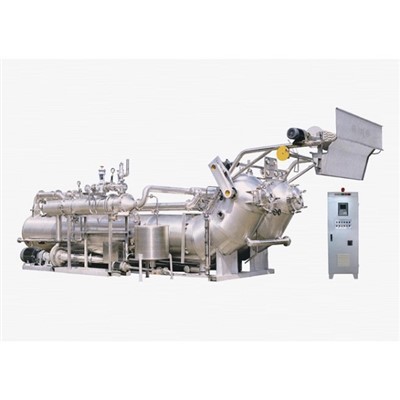
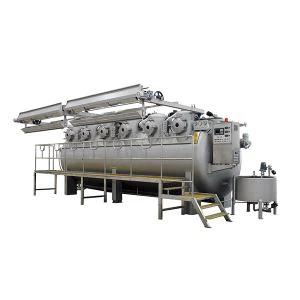
Hey there! As a supplier of High Temperature Rapid Dyeing Machines, I'm super stoked to dive into the key components of these bad boys. These machines are a game - changer in the textile industry, offering fast and efficient dyeing processes at high temperatures. So, let's break down what makes them tick.
1. Dyeing Vessel
The dyeing vessel is like the heart of the High Temperature Rapid Dyeing Machine. It's where all the magic happens - where the fabric meets the dye. This vessel is built to withstand high temperatures and pressures. Usually, it's made of high - quality stainless steel, which is corrosion - resistant and can handle the harsh chemical environment of the dyeing process.

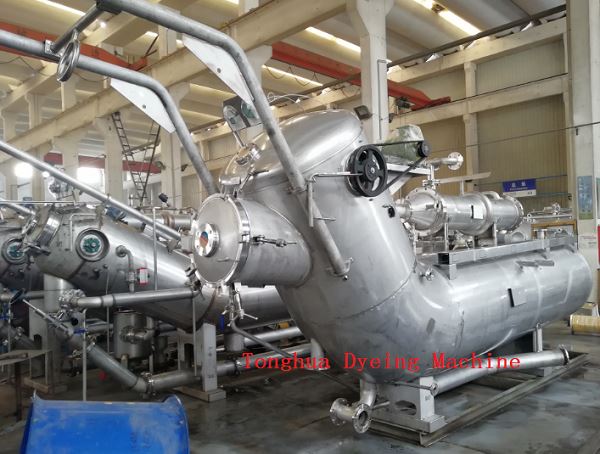
The size of the dyeing vessel can vary depending on the machine's capacity. Some are designed for small - scale production, while others can handle large batches of fabric. A well - designed dyeing vessel ensures uniform dye distribution across the fabric. It has a smooth interior surface to prevent the fabric from getting snagged and to promote even flow of the dye liquor.
If you're interested in a top - notch dyeing vessel as part of a high - performance machine, check out our High Temperature Fabric Dyeing Machine.
2. Heating System
Next up is the heating system. This component is crucial for achieving and maintaining the high temperatures required for rapid dyeing. There are different types of heating systems used in these machines. One common type is the steam heating system. Steam is a great heat transfer medium because it can quickly and evenly heat the dye liquor in the vessel.
Another option is an electric heating system. Electric heaters are more precise in temperature control. They can be adjusted easily to reach the exact temperature needed for different types of dyes and fabrics. The heating system also has safety features to prevent overheating. For example, there are temperature sensors that constantly monitor the temperature and shut off the heating if it goes beyond the set limit.
3. Circulation Pump
The circulation pump is like the blood pump in our bodies. It's responsible for moving the dye liquor through the fabric in the dyeing vessel. A good circulation pump ensures that the dye is evenly distributed and that the fabric gets thoroughly saturated. It creates a continuous flow of the dye liquor, which helps in reducing dyeing time and improving the quality of the dyeing.
The pump needs to be powerful enough to handle the high - temperature and high - pressure environment. It also has to be designed to prevent any leakage. Some pumps are made with special seals and materials that can withstand the corrosive nature of the dye liquor. With a reliable circulation pump, you can be sure that your dyeing process will be efficient and consistent.
4. Control Panel
The control panel is the brain of the High Temperature Rapid Dyeing Machine. It allows operators to set and control various parameters such as temperature, pressure, dyeing time, and circulation speed. Modern control panels are usually digital and user - friendly. They have touch - screen interfaces that make it easy to input and adjust settings.
The control panel also provides real - time monitoring of the machine's performance. It can display information like the current temperature, pressure, and the status of different components. This helps operators to quickly identify and troubleshoot any issues that may arise during the dyeing process.
5. Cooling System
After the dyeing process is complete, the fabric needs to be cooled down quickly. That's where the cooling system comes in. The cooling system helps to stop the dyeing process and fix the dye on the fabric. It can use water or air to cool the dye liquor and the fabric.
A water - based cooling system is more common. It circulates cold water around the dyeing vessel to absorb the heat. This type of system is efficient and can cool the fabric down rapidly. The cooling system also has a temperature control feature to ensure that the fabric is cooled to the right temperature.
6. Filtration System
The filtration system is an important part of the machine that often goes unnoticed. It's responsible for removing any impurities from the dye liquor. These impurities can include lint, dye particles, and other debris that may be present in the fabric or the dye.
A good filtration system has multiple stages of filtration. It starts with a coarse filter to remove large particles and then moves on to finer filters to capture smaller impurities. This helps to keep the dye liquor clean and ensures that the dyeing process is of high quality. A clogged filtration system can lead to uneven dyeing and other problems, so regular maintenance of this component is essential.
7. Loading and Unloading Mechanism
The loading and unloading mechanism makes it easy to put the fabric into the dyeing vessel and take it out after the dyeing is done. There are different types of loading and unloading mechanisms, depending on the design of the machine.
Some machines have a simple manual loading system, where operators place the fabric into the vessel by hand. Others have more advanced automated systems. These automated systems can handle large volumes of fabric quickly and efficiently. They use conveyor belts or other mechanical devices to move the fabric in and out of the vessel. This not only saves time but also reduces the risk of damage to the fabric during handling.
8. Safety Features
Safety is always a top priority when it comes to High Temperature Rapid Dyeing Machines. These machines have several safety features to protect the operators and the equipment.
Pressure relief valves are installed to prevent over - pressurization in the dyeing vessel. If the pressure inside the vessel exceeds a safe level, the valve will open and release the excess pressure. Temperature sensors and alarms are also in place to alert operators if the temperature goes too high.
There are also safety interlocks that prevent the machine from operating if certain conditions are not met. For example, the machine won't start if the door of the dyeing vessel is not properly closed. These safety features give operators peace of mind and ensure that the dyeing process runs smoothly.
If you're looking for a machine with all these great components and more, take a look at our Jet Dyeing Machine For Milk Silk Fabric and HTHP Rapid Dyeing Machine.
In conclusion, a High Temperature Rapid Dyeing Machine is a complex piece of equipment with many key components. Each component plays an important role in ensuring efficient, high - quality dyeing. Whether you're a small - scale textile producer or a large - scale factory, having a good understanding of these components can help you choose the right machine for your needs.
If you're interested in purchasing a High Temperature Rapid Dyeing Machine or have any questions about our products, don't hesitate to reach out to us. We're here to help you find the perfect solution for your dyeing requirements.
References
- Textile Dyeing Machinery Handbook, 3rd Edition
- Journal of Textile Engineering and Technology, Vol. 15, Issue 2
- Proceedings of the International Conference on Textile Machinery, 2022