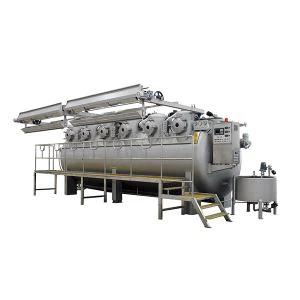
Hey there! As a supplier of HTHP Rapid Dyeing Machines, I often get asked about the wear resistance of the key parts of these machines. So, I thought I'd take a moment to break it down for you.
First off, let's talk about what HTHP Rapid Dyeing Machines are. These machines are used in the textile industry for dyeing fabrics at high temperatures and high pressures. They're super efficient and can get the job done much faster than traditional dyeing methods. But like any piece of equipment, the key parts of these machines are subject to wear and tear over time.


The key parts of an HTHP Rapid Dyeing Machine include things like the pump, the nozzle, the dyeing vessel, and the heating system. Each of these parts plays a crucial role in the dyeing process, and their wear resistance can have a big impact on the overall performance and lifespan of the machine.
Let's start with the pump. The pump is responsible for circulating the dye liquor through the machine. It has to work hard to maintain a consistent flow rate, especially when dealing with thick or viscous dyes. Over time, the impellers and seals of the pump can wear out due to the constant friction and pressure. This can lead to reduced flow rates, leaks, and even pump failure.
To ensure good wear resistance, we use high-quality materials for the pump components. For example, the impellers are often made of stainless steel or other corrosion-resistant alloys. These materials can withstand the abrasive nature of the dye liquor and the high pressures inside the machine. Additionally, we design the pump with a smooth internal surface to minimize friction and reduce wear.
Next up is the nozzle. The nozzle is where the dye liquor is sprayed onto the fabric. It has to create a fine mist or spray pattern to ensure even dyeing. However, the high-pressure flow of the dye liquor can cause the nozzle to wear out. The orifice of the nozzle can become enlarged or clogged, which can affect the spray pattern and the quality of the dyeing.
To improve the wear resistance of the nozzle, we use hard materials such as ceramic or tungsten carbide. These materials are extremely hard and can resist erosion and abrasion. We also design the nozzle with a precise orifice shape and size to ensure a consistent spray pattern. Regular maintenance, such as cleaning and replacing the nozzle when necessary, is also important to keep it in good working condition.
The dyeing vessel is another critical part of the machine. It's where the fabric is actually dyed. The dyeing vessel has to withstand high temperatures and pressures, as well as the chemical reactions that occur during the dyeing process. Over time, the inner surface of the dyeing vessel can be corroded by the dye liquor and the cleaning agents used in the machine.
To protect the dyeing vessel from wear and corrosion, we line it with a corrosion-resistant material such as Teflon or rubber. These linings create a barrier between the dye liquor and the metal surface of the vessel, preventing direct contact and reducing the risk of corrosion. We also ensure that the dyeing vessel is properly sealed to prevent leaks and to maintain the required pressure inside the machine.
Finally, let's talk about the heating system. The heating system is responsible for raising the temperature of the dye liquor to the required level for dyeing. It can be either a steam heating system or an electric heating system. In both cases, the heating elements are subject to wear and tear.
For steam heating systems, the pipes and valves can corrode due to the high temperature and moisture. The heating coils in electric heating systems can also burn out or become damaged over time. To improve the wear resistance of the heating system, we use high-quality heating elements and insulation materials. We also perform regular inspections and maintenance to detect and replace any worn-out components before they cause major problems.
In addition to using high-quality materials and proper design, regular maintenance is essential to ensure the wear resistance of the key parts of HTHP Rapid Dyeing Machines. This includes cleaning the machine after each use, checking for leaks and damages, and replacing worn-out parts as needed. By taking good care of the machine, you can extend its lifespan and reduce the risk of breakdowns.
Now, if you're in the market for an HTHP Rapid Dyeing Machine, you might also be interested in some of our other products. We also offer High Pressure Jet Dyeing Machine, which is great for high-speed dyeing of various fabrics. And if you're dealing with polar fleece, our Jet Dyeing Machine For Polar Fleece is specifically designed to handle this type of fabric. We also have the HTHP Double-ring Environmentally Friendly Dyeing Machine, which combines high performance with environmental friendliness.
If you're interested in learning more about our HTHP Rapid Dyeing Machines or any of our other products, don't hesitate to get in touch with us. We're always happy to answer your questions and discuss your specific needs. Whether you're a small textile workshop or a large-scale manufacturing plant, we have the right solution for you.
In conclusion, the wear resistance of the key parts of HTHP Rapid Dyeing Machines is crucial for the overall performance and lifespan of the machine. By using high-quality materials, proper design, and regular maintenance, we can ensure that our machines can withstand the harsh conditions of the dyeing process and provide you with reliable and efficient service for years to come.
References
- Textile Machinery Handbook
- Dyeing Technology Manual