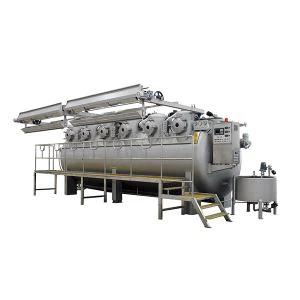
Hey there! I'm a supplier of cloth dyeing machines, and I've been in this industry for quite a while. Over the years, I've seen firsthand the amazing colors and patterns that these machines can create on fabrics. But at the same time, I've also become increasingly aware of the environmental impacts that come with using cloth dyeing machines. In this blog post, I'm going to share with you some of the key environmental issues related to these machines and what we can do to minimize their impact.
Let's start with the most obvious one: water pollution. Cloth dyeing machines use a huge amount of water in the dyeing process. This water gets contaminated with various chemicals, such as dyes, salts, and heavy metals. When this wastewater is discharged into rivers, lakes, or the ocean without proper treatment, it can have a devastating effect on aquatic life. The dyes can block sunlight from reaching underwater plants, which disrupts the food chain. Heavy metals like lead and mercury can accumulate in the bodies of fish and other aquatic animals, and then make their way up to humans when we consume these contaminated seafood.
Another big environmental concern is energy consumption. Most cloth dyeing machines need a lot of energy to heat the water and run the various components. This usually means burning fossil fuels, which release greenhouse gases like carbon dioxide into the atmosphere. As we all know, these greenhouse gases are the main cause of global warming. The more energy our dyeing machines use, the more we contribute to climate change.
Chemical waste is also a significant problem. In addition to the dyes, there are many other chemicals used in the dyeing process, such as fixing agents, detergents, and pH adjusters. These chemicals can be toxic and harmful to the environment. If not disposed of properly, they can contaminate soil and groundwater, posing a threat to both human health and the ecosystem.
Now, I know this all sounds pretty gloomy, but here's the good news. There are some steps we can take to reduce the environmental impacts of using cloth dyeing machines.
First of all, we can invest in more efficient machines. For example, the Dyeing Machine For Tencel High Temperature Rapid Dyeing Machine is designed to use less water and energy while still achieving excellent dyeing results. It has advanced technology that allows for more precise control of the dyeing process, which means less waste of both water and chemicals.
Another great option is the Jet Dyeing Machine For Satin Fabric. This machine uses a jet stream to circulate the dye, which reduces the amount of water needed. It also has a shorter dyeing cycle, which means less energy consumption.
The TH-VA-B Low Bath Ratio Fabric Dyeing Machine Enviromental Friendly is also a game-changer. As the name suggests, it has a low bath ratio, which means it uses less water compared to traditional dyeing machines. It's also designed to be more energy-efficient and has better chemical utilization, which reduces chemical waste.


In addition to using more efficient machines, we can also implement better wastewater treatment systems. By treating the wastewater before discharging it, we can remove most of the contaminants and make it safe for the environment. There are various treatment methods available, such as filtration, sedimentation, and biological treatment.
We can also switch to more eco-friendly dyes and chemicals. There are now many natural and biodegradable dyes on the market that are less harmful to the environment. These dyes are made from plant extracts, minerals, or other natural sources, and they don't contain the toxic chemicals found in traditional dyes.
As a cloth dyeing machine supplier, I'm committed to promoting more sustainable practices in the industry. I believe that by working together, we can reduce the environmental impacts of cloth dyeing and create a more sustainable future for our planet.
If you're in the market for a cloth dyeing machine and you're concerned about the environmental impact, I'd love to have a chat with you. We can discuss your specific needs and find the best machine that suits both your business requirements and your environmental goals. Contact me to start the procurement negotiation process, and let's make a positive change together.
References
- Environmental Science for Dummies, Wiley Publishing
- Textile Dyeing and Finishing: Environmental Impact and Solutions, CRC Press