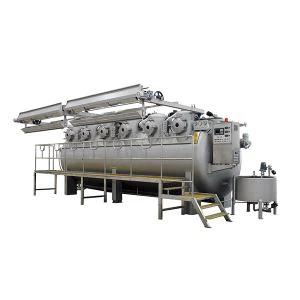
In the textile industry, dyeing is a crucial process that imparts color to fabrics, yarns, and other textile materials. The choice of dyeing machine can significantly impact the quality, efficiency, and cost of the dyeing process. Two commonly used types of dyeing machines are high temperature rapid dyeing machines and low - temperature dyeing machines. As a supplier of high temperature rapid dyeing machines, I will delve into the differences between these two types of machines to help you make an informed decision for your textile dyeing needs.
Temperature Range
One of the most obvious differences between high temperature rapid dyeing machines and low - temperature dyeing machines lies in their operating temperature ranges. High temperature rapid dyeing machines are designed to operate at elevated temperatures, typically between 120°C and 140°C. These high temperatures are necessary for certain types of dyes, such as disperse dyes, which require high heat to penetrate the fibers effectively and achieve a uniform color.
On the other hand, low - temperature dyeing machines operate at temperatures below 100°C, usually between 60°C and 90°C. They are suitable for dyes that are sensitive to high temperatures, such as reactive dyes used for natural fibers like cotton and silk. The lower temperature helps to prevent damage to the fibers and ensures a more gentle dyeing process.
Dyeing Speed
As the name suggests, high temperature rapid dyeing machines are known for their fast dyeing speed. The high temperature accelerates the diffusion of dyes into the fibers, reducing the overall dyeing time. This makes them ideal for large - scale production where efficiency is key. With a high temperature rapid dyeing machine, you can complete a dyeing cycle in a relatively short period, increasing the throughput of your production line.


In contrast, low - temperature dyeing machines generally have a slower dyeing speed. Since the lower temperature slows down the dye diffusion process, it takes longer for the dyes to penetrate the fibers and achieve the desired color. However, this slower process can also be an advantage in some cases, as it allows for more precise control over the dyeing process and can result in better color fastness.
Fiber Compatibility
The choice between a high temperature rapid dyeing machine and a low - temperature dyeing machine also depends on the type of fibers being dyed. High temperature rapid dyeing machines are well - suited for synthetic fibers such as polyester, nylon, and acrylic. These fibers have a dense molecular structure that requires high temperatures to open up the fiber pores and allow the dyes to penetrate.
For example, polyester fibers are hydrophobic and have a high melting point, so they need high - temperature dyeing to achieve good color uptake. Using a high temperature rapid dyeing machine, like our High Temp Flexible Jet Dyeing Machine, can ensure excellent dyeing results for polyester fabrics.
Low - temperature dyeing machines, on the other hand, are more suitable for natural fibers such as cotton, wool, and silk. These fibers are more delicate and can be damaged by high temperatures. Reactive dyes, which are commonly used for natural fibers, work best at lower temperatures. Our HTHP Double Liquid Flow Loose Dyeing Machine can be adjusted to operate at lower temperatures, making it a great choice for dyeing natural fibers.
Energy Consumption
Energy consumption is an important consideration in any manufacturing process. High temperature rapid dyeing machines typically consume more energy than low - temperature dyeing machines. The high temperatures required for operation demand a significant amount of energy to heat the dye bath and maintain the desired temperature throughout the dyeing cycle.
However, it's important to note that the higher energy consumption of high temperature rapid dyeing machines can be offset by their faster dyeing speed. Since they can complete more dyeing cycles in a shorter period, the overall energy consumption per unit of dyed fabric may not be as high as it seems. Additionally, modern high temperature rapid dyeing machines are designed with energy - saving features, such as efficient heating systems and insulation, to reduce energy waste.
Low - temperature dyeing machines, due to their lower operating temperatures, consume less energy. This can result in cost savings over time, especially for small - to - medium - sized textile manufacturers. However, the slower dyeing speed may require more machine time to achieve the same production volume, which could potentially increase labor and other operating costs.
Color Fastness and Quality
Color fastness is a measure of how well a dyed fabric retains its color when exposed to various conditions such as washing, light, and rubbing. High temperature rapid dyeing machines can often achieve better color fastness for synthetic fibers. The high temperature helps the dyes to bond more firmly with the fibers, resulting in a more durable color.
In the case of low - temperature dyeing machines, the lower temperature can sometimes lead to slightly lower color fastness, especially for synthetic fibers. However, for natural fibers, low - temperature dyeing can result in excellent color quality and fastness when using the appropriate dyes and dyeing techniques. Our HTHP Double - ring Environmentally Friendly Dyeing Machine is designed to optimize the dyeing process at lower temperatures, ensuring high - quality color results for natural fibers.
Cost
The cost of purchasing and operating a dyeing machine is a significant factor for textile manufacturers. High temperature rapid dyeing machines are generally more expensive to purchase than low - temperature dyeing machines. This is due to their more complex design, higher - grade materials, and advanced heating systems required to operate at high temperatures.
In addition to the initial purchase cost, the operating cost of high temperature rapid dyeing machines can also be higher, mainly due to their higher energy consumption. However, as mentioned earlier, the faster dyeing speed can lead to higher productivity, which may offset the higher costs in the long run.
Low - temperature dyeing machines are more affordable to purchase and have lower operating costs in terms of energy consumption. They are a good option for small - scale textile manufacturers or those with a limited budget.
Environmental Impact
The environmental impact of dyeing machines is becoming an increasingly important concern in the textile industry. High temperature rapid dyeing machines, with their high energy consumption, can have a relatively larger carbon footprint. However, many modern high temperature rapid dyeing machines are designed with environmental considerations in mind, such as using energy - efficient heating systems and recycling water.
Low - temperature dyeing machines, with their lower energy requirements, are generally more environmentally friendly. They also produce less waste heat, which can contribute to a more comfortable working environment. Additionally, the lower operating temperatures may reduce the use of certain chemicals, further minimizing the environmental impact.
Conclusion
In conclusion, the choice between a high temperature rapid dyeing machine and a low - temperature dyeing machine depends on several factors, including the type of fibers being dyed, the desired dyeing speed, color fastness requirements, energy consumption, cost, and environmental impact.
If you are dealing with synthetic fibers and need high - speed production, a high temperature rapid dyeing machine is likely the better choice. Our high - quality high temperature rapid dyeing machines can provide you with efficient and reliable dyeing solutions. On the other hand, if you are working with natural fibers or have a limited budget and are more concerned about environmental impact, a low - temperature dyeing machine may be more suitable.
If you are interested in learning more about our high temperature rapid dyeing machines or have any questions regarding the dyeing process, please feel free to contact us for further discussions and potential procurement negotiations. We are committed to providing you with the best dyeing solutions to meet your specific needs.
References
- Textile Dyeing Technology Handbook, 3rd Edition
- Principles of Textile Dyeing, 2nd Edition
- Advances in Textile Dyeing and Finishing, 4th Edition