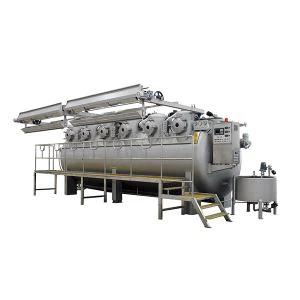
The textile industry is constantly evolving, with new technologies emerging to enhance the quality and efficiency of fabric processing. One such innovation is the soft - flow technology used in Soft Flow Dyeing Machines. As a leading supplier of Soft Flow Dyeing Machines, I have witnessed firsthand the transformative impact of this technology on fabric softness. In this blog, I will explore the effects of soft - flow technology on fabric softness in a Soft Flow Dyeing Machine.
Understanding Soft - Flow Technology in Dyeing Machines
Soft - flow technology is designed to create a gentle and uniform flow of the dye liquor around the fabric during the dyeing process. Unlike traditional dyeing methods that may subject the fabric to harsh mechanical forces, soft - flow technology minimizes abrasion and tension on the fabric. This is achieved through a carefully engineered system that controls the flow rate, pressure, and distribution of the dye liquor.
In a Soft Flow Dyeing Machine, the fabric is transported through the dye bath in a relaxed state. The machine uses a combination of pumps, nozzles, and guides to ensure that the dye liquor flows smoothly around the fabric, penetrating the fibers evenly. This gentle treatment helps to preserve the natural structure and properties of the fabric, resulting in a softer and more comfortable end - product.
How Soft - Flow Technology Affects Fabric Softness
1. Reduced Mechanical Damage
One of the primary ways soft - flow technology enhances fabric softness is by reducing mechanical damage. In traditional dyeing machines, the fabric may be subjected to high levels of friction and tension as it moves through the dye bath. This can cause the fibers to break, fray, or become distorted, leading to a rough and stiff feel.
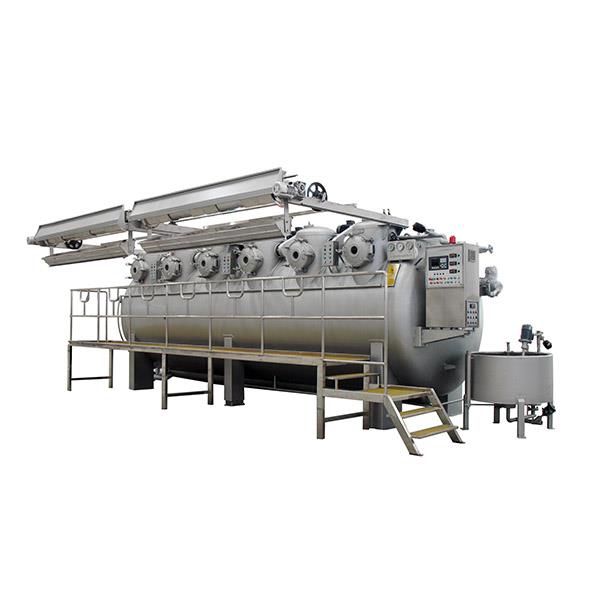

In contrast, soft - flow technology uses a low - tension transport system that allows the fabric to move freely through the dye bath. The gentle flow of the dye liquor reduces the risk of fiber damage, preserving the integrity of the fabric. As a result, the fabric retains its natural softness and flexibility, even after multiple dyeing cycles.
2. Uniform Dye Penetration
Another important factor in achieving fabric softness is uniform dye penetration. When the dye is not evenly distributed throughout the fabric, it can create areas of uneven color and texture, which can affect the overall softness of the fabric.
Soft - flow technology ensures that the dye liquor is evenly distributed around the fabric, allowing the dye to penetrate the fibers uniformly. The machine uses a series of nozzles and diffusers to create a consistent flow of dye liquor, ensuring that every part of the fabric is exposed to the same amount of dye. This uniform dyeing process helps to create a smooth and even surface on the fabric, enhancing its softness and hand feel.
3. Preservation of Fiber Structure
The structure of the fabric fibers plays a crucial role in determining its softness. Natural fibers, such as cotton, silk, and wool, have a complex structure that gives them their soft and luxurious feel. However, harsh dyeing processes can damage this structure, leading to a loss of softness.
Soft - flow technology is designed to preserve the natural structure of the fabric fibers. The gentle flow of the dye liquor and the low - tension transport system minimize the stress on the fibers, preventing them from being damaged or distorted. This helps to maintain the integrity of the fiber structure, resulting in a softer and more comfortable fabric.
Real - World Examples of Soft - Flow Technology Benefits
To illustrate the impact of soft - flow technology on fabric softness, let's look at some real - world examples. Many textile manufacturers who have switched to Soft Flow Dyeing Machines have reported significant improvements in the softness and quality of their fabrics.
For example, a manufacturer of high - end cotton shirts was struggling to achieve the desired level of softness in their products using traditional dyeing methods. After installing a HTHP Soft Flow Fabric Dyeing Machine, they noticed a dramatic improvement in the feel of their shirts. The fabric was softer, more comfortable to wear, and had a smoother finish. This led to increased customer satisfaction and a boost in sales.
Another example is a silk fabric producer. Silk is a delicate and luxurious fiber that requires special care during the dyeing process. By using a Soft Flow Fabric Dyeing Machine, the producer was able to preserve the natural softness and sheen of the silk. The dyeing process was more gentle, resulting in a higher - quality product that commanded a premium price in the market.
Comparison with Other Dyeing Technologies
It's also useful to compare soft - flow technology with other dyeing technologies to understand its unique advantages. For instance, the High - Temperature And High - Pressure Jet Dyeing Machine is another popular type of dyeing machine. While jet dyeing machines are known for their high - speed dyeing capabilities, they can be more aggressive on the fabric.
Jet dyeing machines use high - pressure jets of dye liquor to force the dye into the fabric. This can be effective for achieving fast and deep dye penetration, but it can also cause mechanical damage to the fabric, resulting in a stiffer feel. In contrast, soft - flow technology offers a more gentle alternative that prioritizes fabric softness and quality.
Considerations for Textile Manufacturers
For textile manufacturers looking to improve the softness of their fabrics, there are several considerations when choosing a Soft Flow Dyeing Machine. Firstly, it's important to select a machine that is suitable for the type of fabric being dyed. Different fabrics have different properties and requirements, and the machine should be able to accommodate these variations.
Secondly, the machine's performance and reliability are crucial. A high - quality Soft Flow Dyeing Machine should be able to provide consistent results, with minimal downtime and maintenance. It should also be energy - efficient, helping to reduce operating costs and environmental impact.
Finally, manufacturers should consider the level of technical support and after - sales service offered by the supplier. A good supplier will be able to provide training, troubleshooting, and spare parts, ensuring that the machine operates smoothly and efficiently.
Conclusion
In conclusion, soft - flow technology has a significant impact on fabric softness in a Soft Flow Dyeing Machine. By reducing mechanical damage, ensuring uniform dye penetration, and preserving the fiber structure, this technology helps to create softer, more comfortable, and higher - quality fabrics.
As a supplier of Soft Flow Dyeing Machines, I am committed to providing our customers with the latest and most advanced technology. Our machines are designed to meet the diverse needs of the textile industry, offering a range of features and options to ensure optimal performance and fabric quality.
If you are a textile manufacturer looking to improve the softness of your fabrics, I encourage you to explore the benefits of our Soft Flow Dyeing Machines. Contact us today to discuss your specific requirements and to learn more about how our technology can help you achieve your goals. We look forward to the opportunity to work with you and to contribute to the success of your business.
References
- Textile Dyeing Technology: Principles and Practice. [Author's Name], [Publication Year].
- Advances in Textile Processing and Manufacturing. [Author's Name], [Publication Year].
- Soft Flow Dyeing Machine: A Technical Overview. [Author's Name], [Publication Year].