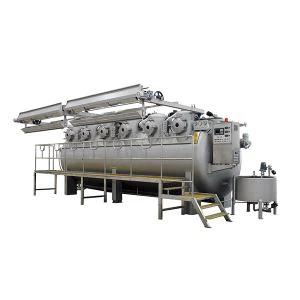
As a supplier of HTHP Jet Dyeing Machines, I've been frequently asked about the energy consumption of these remarkable pieces of equipment. In this blog, I'll delve into the factors influencing the energy consumption of HTHP Jet Dyeing Machines, share some efficient operation tips, and highlight how our machines strike a balance between performance and energy efficiency.

Understanding HTHP Jet Dyeing Machines
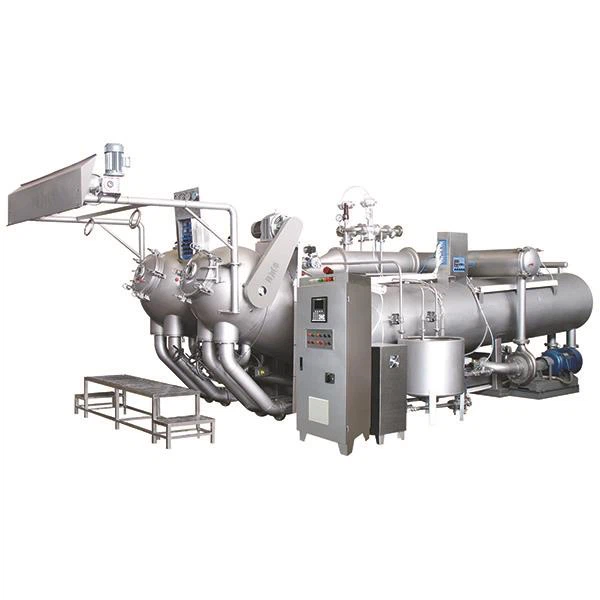
HTHP Jet Dyeing Machines are widely used in the textile industry for dyeing various types of fabrics, including synthetic fibers, natural fibers, and blends. These machines operate under high temperature and high pressure conditions, which are essential for achieving uniform and high - quality dyeing results. The "HTHP" stands for High Temperature and High Pressure, and the "Jet" refers to the jet - flow system that circulates the dye liquor through the fabric, ensuring thorough and even dye penetration.
If you want to learn more about different types of our dyeing machines, you can visit High Pressure Jet Dyeing Machine, HTHP Knit Fabric Dyeing Machine, and TH - VT High Temperature Dyeing Machine.
Factors Affecting Energy Consumption
Temperature and Pressure Requirements
One of the primary factors influencing the energy consumption of HTHP Jet Dyeing Machines is the temperature and pressure required for the dyeing process. Different types of fabrics and dyes require specific temperature and pressure settings to achieve optimal dyeing results. For instance, synthetic fibers like polyester often need high temperatures (usually around 120 - 135°C) and high pressures to ensure the dye molecules penetrate the fiber structure effectively. Heating the dye liquor and maintaining the high - pressure environment consume a significant amount of energy.
The energy required to raise the temperature of the dye liquor is proportional to the mass of the water, the specific heat capacity of water, and the temperature difference. Higher target temperatures mean more energy is needed for heating. Additionally, maintaining high pressure within the machine also demands energy, as the system needs to continuously compensate for any pressure losses.
Dyeing Process Time
The duration of the dyeing process also plays a crucial role in energy consumption. Longer dyeing cycles mean that the machine operates at high temperatures and pressures for an extended period, resulting in increased energy usage. The process time is affected by factors such as the fabric type, dye concentration, and the desired color fastness. Some fabrics may require longer dyeing times to achieve a deep and uniform color, while others may be dyed more quickly.
Optimizing the dyeing process time involves careful selection of dyes and chemicals, as well as adjusting the machine parameters such as the flow rate of the dye liquor and the rotation speed of the fabric carrier. By reducing the unnecessary processing time, we can significantly lower the energy consumption of the machine.
Machine Capacity and Loading
The capacity of the HTHP Jet Dyeing Machine and the actual fabric loading also impact energy consumption. A larger - capacity machine generally consumes more energy to heat and pressurize the dye liquor, even if it is not fully loaded. On the other hand, under - utilizing the machine's capacity leads to inefficient energy use, as the same amount of energy is spent on a smaller volume of fabric.
To ensure energy efficiency, it is important to match the fabric loading to the machine's capacity as closely as possible. This means that the operator should plan the dyeing batches carefully, taking into account the fabric type and quantity. By operating the machine at or near its full capacity, we can achieve better energy utilization per unit of fabric dyed.
Insulation and Heat Recovery Systems
The quality of insulation in the HTHP Jet Dyeing Machine and the presence of heat recovery systems can have a significant impact on energy consumption. Good insulation helps to reduce heat loss from the machine, keeping the heat inside the dyeing chamber and reducing the amount of energy needed to maintain the high temperature.
Heat recovery systems are designed to capture and reuse the heat from the hot dye liquor after the dyeing process. This recovered heat can be used to pre - heat the incoming water or the dye liquor, reducing the overall energy required for heating. Our HTHP Jet Dyeing Machines are equipped with advanced insulation materials and efficient heat recovery systems to minimize energy waste.
Energy - Saving Operation Tips
Optimal Recipe Selection
Selecting the right dyeing recipe is crucial for energy efficiency. Using high - quality dyes that require lower temperatures and shorter process times can significantly reduce energy consumption. For example, some reactive dyes are designed to work at lower temperatures, which can save a substantial amount of energy during the heating phase.
We recommend working closely with dye suppliers to develop optimized dyeing recipes that meet the quality requirements while minimizing energy usage. By conducting small - scale tests and validating the recipes, we can ensure that the dyeing process is both efficient and effective.
Regular Maintenance
Regular maintenance of the HTHP Jet Dyeing Machine is essential for ensuring its energy efficiency. Clean and well - maintained machines operate more efficiently, as there are no blockages or malfunctions that can cause energy losses. For example, clogged filters can restrict the flow of the dye liquor, increasing the pump load and consuming more energy.
We suggest conducting routine inspections of the machine, including checking the heating elements, pumps, valves, and insulation. Any worn - out parts should be replaced promptly to maintain the machine's performance and energy efficiency.
Monitoring and Control
Implementing a monitoring and control system can help to optimize the energy consumption of the HTHP Jet Dyeing Machine. By continuously monitoring parameters such as temperature, pressure, and flow rate, operators can make real - time adjustments to the machine settings to ensure that the process is running efficiently.
Our machines are equipped with advanced control systems that allow for precise regulation of the operating parameters. These systems can also provide data on energy consumption, enabling operators to analyze the energy usage patterns and identify areas for improvement.
Our HTHP Jet Dyeing Machines: Energy - Efficient Solutions
At our company, we are committed to providing energy - efficient HTHP Jet Dyeing Machines. Our machines are designed with the latest technologies and features to minimize energy consumption while maintaining high - quality dyeing results.
We use advanced insulation materials to reduce heat loss, and our heat recovery systems can recover a significant amount of the waste heat. This not only reduces the energy required for heating but also helps to lower the operating costs for our customers.
In addition, our machines are engineered for optimal performance with a wide range of fabric types. Our R & D team is constantly working on improving the machine design and control algorithms to further enhance energy efficiency.
Conclusion
The energy consumption of HTHP Jet Dyeing Machines is influenced by multiple factors, including temperature and pressure requirements, dyeing process time, machine capacity and loading, and insulation and heat recovery systems. By understanding these factors and implementing energy - saving operation tips, we can significantly reduce the energy usage of these machines.
Our company is dedicated to providing energy - efficient HTHP Jet Dyeing Machines that help our customers achieve their production goals while minimizing their environmental impact and operating costs. If you are interested in learning more about our products or have any specific requirements, we encourage you to contact us for a purchase consultation. We look forward to working with you to find the best dyeing solutions for your business.
References
- Smith, J. (2020). Textile Dyeing Technology: Principles and Practice. Wiley.
- Brown, A. (2019). Energy Efficiency in Industrial Processes. Elsevier.