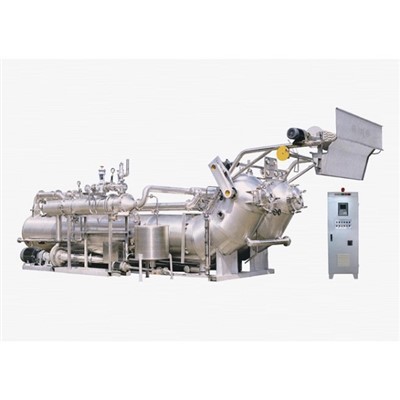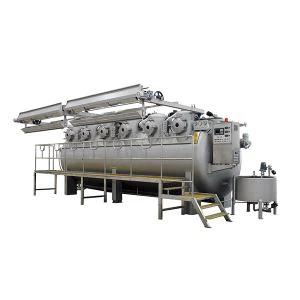
As a trusted supplier of Dual Flow Dyeing Machines, we understand the intricate challenges and requirements that come with dealing with different dyeing recipes. In today's textile industry, the demand for diverse colors, patterns, and fabric qualities is constantly on the rise. This means that dyeing machines must be versatile enough to handle a wide range of dyeing recipes effectively and efficiently.
Understanding Dyeing Recipes
Dyeing recipes are detailed instructions that specify the type and amount of dyes, chemicals, temperature, time, and other parameters required to achieve a specific color and quality on a textile material. Different fabrics, such as cotton, silk, polyester, and nylon, have unique chemical and physical properties, which require different dyeing approaches. Additionally, the desired final color and finish, such as solid color, print, or ombre effect, also influence the dyeing recipe.
For example, natural fibers like cotton and silk typically require reactive dyes, which bond chemically with the fiber molecules. These dyes work best at specific temperatures and pH levels. On the other hand, synthetic fibers such as polyester often use disperse dyes, which are applied at high temperatures under pressure. The complexity of these recipes can vary greatly, from simple single - color dyeing to multi - step processes for complex patterns.
How Dual Flow Dyeing Machines Adapt to Different Recipes
Temperature Control
Temperature is a crucial factor in dyeing processes. Different dyes require specific temperature ranges for optimal dye uptake and fixation. Our Dual Flow Dyeing Machines are equipped with advanced temperature control systems. These systems can accurately heat and cool the dye bath according to the requirements of different recipes. For instance, when dyeing polyester with disperse dyes, the machine can quickly reach and maintain the high temperatures (usually around 130 - 140°C) required for the dyes to penetrate the fibers. In contrast, for reactive dyeing of cotton, the machine can operate at lower, more appropriate temperatures, typically between 60 - 80°C.
The precise temperature control also helps in preventing over - dyeing or under - dyeing. This is especially important when dealing with complex recipes that involve multiple dyeing steps at different temperatures. Our machines are designed to make smooth transitions between temperature stages, ensuring consistent and high - quality dyeing results.
Flow Rate Adjustment
The dual flow design of our machines allows for independent control of the flow rate in two different directions. This feature is extremely beneficial when dealing with different dyeing recipes. For some recipes, a high - flow rate is necessary to ensure uniform dye distribution, especially for large - volume batches or fabrics with a high level of porosity. The high - flow rate helps the dyes to penetrate the fibers quickly and evenly.
Conversely, in other cases, a lower flow rate may be required. For example, when dyeing delicate fabrics like silk or when trying to achieve a more subtle color gradation, a slower flow rate allows for more precise control over the dyeing process. The ability to adjust the flow rate on - the - go according to the recipe ensures that we can meet the specific needs of each dyeing job.
Chemical Dosing
Accurate chemical dosing is essential for the success of any dyeing recipe. Our Dual Flow Dyeing Machines are integrated with automated chemical dosing systems. These systems can precisely measure and add the required amount of dyes, auxiliaries, and other chemicals into the dye bath. This is particularly important because the ratio of chemicals can significantly affect the final color and quality of the dyed fabric.
For example, in a reactive dyeing recipe, the amount of alkali added to the dye bath affects the fixation of the dyes on the cotton fibers. Too much or too little alkali can result in poor color fastness or uneven dyeing. Our automated dosing systems eliminate the risk of human error and ensure that the chemical proportions are exactly as specified in the recipe.
Flexibility in Process Time
Different dyeing recipes have different time requirements. Some simple single - color dyeing processes may only take a short period, while complex multi - step recipes can take several hours. Our Dual Flow Dyeing Machines are highly flexible in terms of process time. The control panel allows operators to set the exact time for each stage of the dyeing process, from pre - treatment to post - treatment.
This flexibility ensures that the fabric is exposed to the dye bath and chemicals for the optimal amount of time. For example, some dyes need a longer dwell time in the fabric to achieve maximum color depth, while others may require a shorter time to prevent over - dyeing. The ability to customize the process time is a key advantage when dealing with a wide variety of dyeing recipes.
Case Studies: Applying Different Recipes
Let's take a look at some real - world examples of how our Dual Flow Dyeing Machines handle different dyeing recipes.
Solid Color Dyeing of Cotton
For a solid color dyeing of cotton using reactive dyes, the following steps are involved. First, the fabric is loaded into the machine, and the dye bath is prepared with the appropriate amount of reactive dyes and auxiliaries. The machine starts by heating the dye bath to the required temperature (usually around 60 - 80°C) at a controlled rate. The flow rate is set to a medium level to ensure uniform dye distribution.
The automated dosing system adds the chemicals at the right time and in the right proportions. After a certain period of dyeing, the machine adjusts the pH of the dye bath by adding alkali to fix the dyes on the cotton fibers. The entire process, from heating to fixation, is carefully monitored and controlled by the machine's software. This ensures that the cotton fabric achieves a consistent, vivid, and long - lasting solid color.
Ombre Effect on Silk
Achieving an ombre effect on silk is a more complex process. The recipe for this type of dyeing often involves multiple steps and different dye concentrations. Our Dual Flow Dyeing Machine starts by setting a very low flow rate to allow for a slow and gradual introduction of the dyes. The temperature is kept lower than for cotton dyeing, around 40 - 50°C, to protect the delicate silk fibers.
The machine's control system is programmed to change the dye concentration and flow rate at specific intervals. This creates the smooth color transition characteristic of an ombre effect. The automated chemical dosing system ensures that the right amount of dyes and fixatives are added at each stage. By the end of the process, the silk fabric has a beautiful, natural - looking ombre effect.
Advantages of Our Dual Flow Dyeing Machines in Handling Recipes
Using our Dual Flow Dyeing Machines for different dyeing recipes has several advantages. Firstly, the high level of precision and control in temperature, flow rate, and chemical dosing ensures consistent and high - quality dyeing results. This reduces the number of re - dyeing processes, saving time and resources.
Secondly, the flexibility of the machines allows textile manufacturers to quickly adapt to changing market demands. They can easily switch between different dyeing recipes without significant downtime or additional equipment. This is especially important in an industry where fashion trends change rapidly.
Finally, our machines are designed with energy - efficiency in mind. By accurately controlling the process parameters, they minimize energy consumption and water usage, making them an environmentally friendly choice for textile dyeing operations.
In addition to the Dual Flow Dyeing Machine, we also offer other high - quality dyeing equipment, such as the HTHP Fabric Dyeing Machine, High Temperature High Pressure High Speed Dyeing Machine, and HTHP Jet Dyeing Machine. These machines can complement the Dual Flow Dyeing Machine in various dyeing processes, providing a comprehensive solution for textile manufacturers.
Contact Us for More Information
If you are in the textile industry and are looking for reliable and efficient dyeing solutions, our Dual Flow Dyeing Machines are the perfect choice. Our team of experts is ready to assist you in selecting the right machine for your specific dyeing recipes and production requirements. We also offer after - sales support and training to ensure that you can make the most out of your investment.


Don't hesitate to contact us for more information. We look forward to working with you and helping you achieve superior dyeing results in your textile business.
References
- Smith, J. (2020). Textile Dyeing Technology. Published by Textile Press.
- Brown, A. (2019). Advanced Dyeing Processes and Applications. Taylor & Francis.