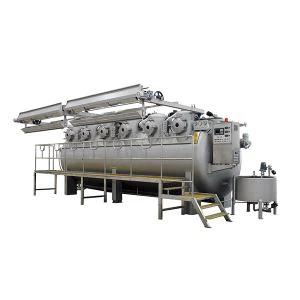
As a supplier of HTHP Rapid Dyeing Machines, I've witnessed firsthand the transformative impact these machines have on the textile industry. One of the critical aspects that our clients often inquire about is the effect of our HTHP Rapid Dyeing Machines on fabric color fastness to perspiration. In this blog, I'll delve into this topic, exploring how our machines contribute to enhancing or maintaining the color fastness of fabrics when exposed to perspiration.
Understanding Color Fastness to Perspiration
Color fastness to perspiration refers to the ability of a fabric's color to resist fading, bleeding, or changing when in contact with human perspiration. Perspiration contains various components such as water, salts, amino acids, and fatty acids, which can interact with the dyes in the fabric. Poor color fastness can lead to color transfer onto the skin, staining of adjacent fabrics, and a general deterioration of the fabric's appearance over time.
The Role of HTHP Rapid Dyeing Machines
HTHP (High Temperature High Pressure) Rapid Dyeing Machines are designed to operate under high temperatures and pressures, which offers several advantages in the dyeing process that directly relate to color fastness to perspiration.
1. Enhanced Dye Penetration
The high temperature and pressure environment in our HTHP Rapid Dyeing Machines allow dyes to penetrate deeper into the fabric fibers. When dyes are well - integrated into the fibers, they are less likely to be washed out by perspiration. The intense conditions break down the dye molecules and enable them to diffuse more effectively into the fabric's structure. For example, in synthetic fabrics like polyester, the high - pressure environment helps the disperse dyes to enter the fiber pores, creating a more stable color bond. This deep penetration ensures that the color remains intact even when the fabric comes into contact with perspiration.
2. Uniform Dye Distribution
Our machines are engineered to provide a uniform dyeing process. Uniform dye distribution across the fabric surface is crucial for color fastness. If the dye is unevenly distributed, areas with less dye may be more prone to color loss when exposed to perspiration. The rapid circulation system in our HTHP Rapid Dyeing Machines ensures that the dye liquor is evenly distributed throughout the fabric. This results in a consistent color across the entire fabric, reducing the risk of color variations due to perspiration.
3. Fixation of Dyes
The high - temperature environment in the HTHP Rapid Dyeing Machines promotes better dye fixation. Fixation is the process by which the dye molecules are chemically bonded to the fabric fibers. A stronger bond between the dye and the fiber means that the dye is more resistant to the chemical components in perspiration. Our machines can precisely control the temperature and time during the dyeing process, allowing for optimal dye fixation. For instance, in the case of reactive dyes used on cotton fabrics, the high - temperature treatment helps to form covalent bonds between the dye and the fiber, significantly improving color fastness to perspiration.
Case Studies
To illustrate the impact of our HTHP Rapid Dyeing Machines on color fastness to perspiration, let's look at a few case studies.


Case Study 1: Sportswear Fabrics
A major sportswear manufacturer was facing issues with color fading in their products after short - term use. The fabrics were dyed using traditional dyeing methods, and the color fastness to perspiration was not up to the mark. After switching to our High - Pressure Rapid Dyeing Machine For Mesh Fabric Dyeing, the results were remarkable. The dyed fabrics showed a significant improvement in color fastness to perspiration. The dyes were better fixed, and the color remained vibrant even after multiple washes and extended periods of use during sports activities.
Case Study 2: Luxury Silk Fabrics
A luxury fashion brand was looking for a way to enhance the color fastness of their silk products. Silk is a delicate fabric, and achieving good color fastness can be challenging. Our High Temperature Fabric Dyeing Machine was used to dye the silk fabrics. The high - temperature and high - pressure process allowed for better dye penetration and fixation without damaging the silk fibers. The resulting fabrics had excellent color fastness to perspiration, meeting the brand's high - end quality standards.
Factors Affecting Color Fastness in HTHP Dyeing
While our HTHP Rapid Dyeing Machines offer significant advantages in terms of color fastness to perspiration, there are still some factors that can influence the final result.
1. Dye Selection
The type of dye used plays a crucial role in color fastness. Different dyes have different chemical properties and affinities for various fabrics. For example, acid dyes are commonly used for wool and silk, while reactive dyes are preferred for cotton. Choosing the right dye for the fabric type and considering its resistance to perspiration is essential. Our technical support team can assist clients in selecting the most suitable dyes for their specific applications.
2. Fabric Pretreatment
Proper fabric pretreatment is necessary to ensure optimal dyeing results. Fabrics need to be cleaned and prepared to remove any impurities that could interfere with the dyeing process. Pretreatment can also improve the fabric's absorbency, allowing for better dye penetration. For example, scouring and bleaching of cotton fabrics before dyeing can enhance the dye - fiber interaction and ultimately improve color fastness to perspiration.
3. Process Parameters
The temperature, pressure, time, and pH of the dyeing process need to be carefully controlled. Deviations from the optimal process parameters can lead to poor dye fixation and reduced color fastness. Our HTHP Rapid Dyeing Machines are equipped with advanced control systems that allow for precise adjustment of these parameters, ensuring consistent and high - quality dyeing results.
Conclusion
In conclusion, our HTHP Rapid Dyeing Machines have a significant positive impact on fabric color fastness to perspiration. Through enhanced dye penetration, uniform dye distribution, and better dye fixation, these machines help to produce fabrics that can withstand the challenges of perspiration. Whether it's sportswear, luxury fashion, or other textile applications, our machines can provide solutions to improve color fastness and overall product quality.
If you are interested in learning more about how our HTHP Rapid Dyeing Machines can benefit your textile dyeing process and improve color fastness to perspiration, we invite you to contact us for a detailed discussion. Our team of experts is ready to assist you in selecting the most suitable machine for your needs and providing comprehensive technical support. You can also explore our HTHP Dual Flow Fabric Dyeing Machine for more advanced dyeing solutions.
References
- Zollinger, H. (2003). Color Chemistry: Synthesis, Properties, and Applications of Organic Dyes and Pigments. Wiley - VCH.
- Christie, R. M. (2001). Dyeing of Textiles. Woodhead Publishing.
- Robinson, T. (2015). Textile Dyeing and Finishing. Elsevier.