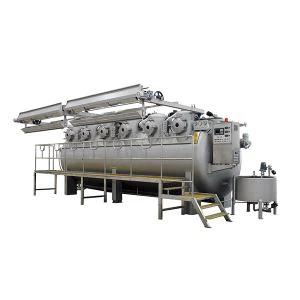
As a supplier of HTHP (High Temperature High Pressure) Knit Fabric Dyeing Machines, I'm often asked about the pressure range of these machines. Understanding the pressure range is crucial for achieving optimal dyeing results, ensuring fabric quality, and maintaining the efficiency and safety of the dyeing process. In this blog post, I'll delve into the pressure range of HTHP Knit Fabric Dyeing Machines, its significance, and how it impacts the dyeing operation.
The Basics of HTHP Knit Fabric Dyeing
HTHP Knit Fabric Dyeing Machines are designed to dye knitted fabrics under high temperature and high-pressure conditions. This method allows for better color penetration and fixation, resulting in vibrant and long-lasting colors on the fabric. The high temperature helps to open the fiber structure, enabling the dye molecules to penetrate deeper into the fabric. At the same time, the high pressure ensures a uniform distribution of the dye, reducing the chances of color variations and uneven dyeing.
Understanding the Pressure Range
The pressure range of HTHP Knit Fabric Dyeing Machines typically varies between 0.5 MPa to 0.8 MPa (equivalent to approximately 72.5 psi to 116 psi). This range is carefully calibrated to provide the ideal conditions for dyeing different types of knitted fabrics.
-
Lower End of the Range (0.5 MPa - 0.6 MPa): At the lower end of the pressure range, the machine is suitable for dyeing delicate knitted fabrics such as those made from natural fibers like cotton, silk, or wool. These fibers are more sensitive to high pressure and may be damaged if exposed to excessive force. The lower pressure allows the dye to penetrate the fabric gently, preserving the softness and texture of the material.
-
Middle of the Range (0.6 MPa - 0.7 MPa): This pressure range is commonly used for dyeing a wide variety of knitted fabrics, including synthetic fibers such as polyester and nylon, as well as blended fabrics. It provides a good balance between color penetration and fabric integrity, ensuring that the dye is evenly distributed across the fabric while maintaining its strength and durability.
-
Upper End of the Range (0.7 MPa - 0.8 MPa): The higher pressure setting is suitable for dyeing fabrics that require more intense color saturation or have a tighter weave. Fabrics like High-Pressure Rapid Dyeing Machine For RPET Fabric Suede Fabric often benefit from the higher pressure, as it helps the dye to penetrate the compact fiber structure more effectively. However, it's important to note that not all fabrics can withstand the higher pressure, and careful consideration must be given to the fabric type and quality before using this setting.
Factors Affecting the Pressure Range
Several factors can influence the optimal pressure range for dyeing a particular fabric. These include:
-
Fabric Type and Composition: Different fibers have different properties and require different dyeing conditions. For example, natural fibers are generally more sensitive to high pressure, while synthetic fibers can withstand higher pressures. The composition of the fabric, such as the blend ratio of different fibers, also plays a role in determining the appropriate pressure range.
-
Fabric Weight and Thickness: Thicker and heavier fabrics may require a higher pressure to ensure that the dye penetrates evenly throughout the material. Conversely, lighter and thinner fabrics may only need a lower pressure to achieve the desired color result.
-
Dye Type and Concentration: The type of dye used and its concentration in the dye bath can also affect the pressure requirements. Some dyes may require higher pressure to ensure proper fixation, while others may work well at lower pressures.
Importance of Maintaining the Correct Pressure Range
Maintaining the correct pressure range is essential for several reasons:
-
Color Quality and Consistency: A consistent pressure helps to ensure that the dye is evenly distributed across the fabric, resulting in a uniform color appearance. Deviating from the recommended pressure range can lead to color variations, streaks, or uneven dyeing.
-
Fabric Quality and Integrity: Excessive pressure can damage the fabric, causing it to lose its shape, texture, or strength. On the other hand, insufficient pressure may result in poor color penetration and fixation, leading to a less vibrant and less durable color.


-
Machine Performance and Safety: Operating the dyeing machine within the recommended pressure range helps to ensure its optimal performance and longevity. Overpressurizing the machine can cause damage to the seals, valves, and other components, leading to leaks and potential safety hazards.
Our Range of HTHP Knit Fabric Dyeing Machines
As a leading supplier of HTHP Knit Fabric Dyeing Machines, we offer a wide range of models to meet the diverse needs of our customers. Our machines are equipped with advanced pressure control systems that allow for precise adjustment of the pressure within the recommended range. Whether you're looking for a High Pressure Rapid Jet Dyeing Machine or an Overflow Jet Dyeing Machine, we have the solution to help you achieve the best possible dyeing results.
Conclusion
In conclusion, the pressure range of HTHP Knit Fabric Dyeing Machines is a critical factor in achieving high-quality, consistent dyeing results. By understanding the appropriate pressure range for different types of fabrics and maintaining it during the dyeing process, you can ensure the color quality, fabric integrity, and machine performance. If you're in the market for a reliable and high-performance HTHP Knit Fabric Dyeing Machine, we invite you to contact us to discuss your specific requirements and explore our range of products. We're committed to providing our customers with the best solutions and support to help them succeed in their dyeing operations.
References
- Textile Dyeing Technology Handbook
- High-Temperature High-Pressure Dyeing Processes: Principles and Applications