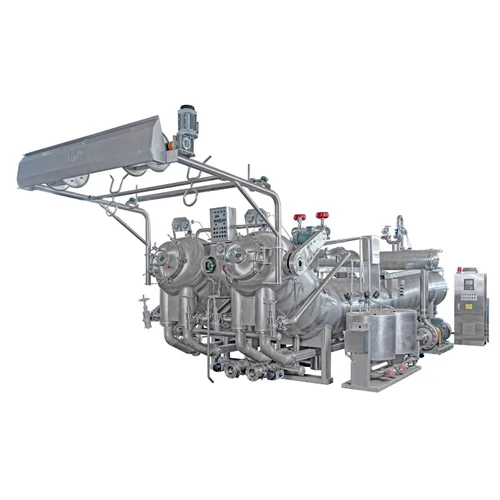
When the electrical system of the textile sample dyeing machine fails, you can follow the steps below to repair it:
1. Troubleshooting
Observe the phenomenon
First, observe the specific fault phenomenon of the dyeing machine electrical system, such as no display on the control panel, the motor does not run, the heating element does not work, etc. Record the time and frequency of the fault and its association with other operating or environmental factors.
Check the power supply
Check whether the power supply of the dyeing machine is normal. Check whether the power plug is plugged in tightly, whether the power cord is damaged, whether the circuit breaker is tripped, etc. Use a multimeter to measure whether the power supply voltage is within the range required by the equipment.
Check the control panel
Check whether the indicator lights, display screens and buttons on the control panel are working properly. If the control panel has no display, it may be a display damage, a control board failure or a power supply problem. If the button fails, it may be a poor contact of the button or a control board failure.
Check the motor
If the motor does not run, first check whether the power connection of the motor is normal. Use a multimeter to measure whether the winding resistance of the motor is within the normal range. If the resistance is abnormal, it may be that the motor winding is damaged. Check whether the starting capacitor of the motor is normal, and replace it in time if it is damaged.
Check the heating element
If the heating element does not work, check whether the power connection of the heating element is normal. Use a multimeter to measure whether the resistance of the heating element is within the normal range. If the resistance is abnormal, the heating element may be damaged. Check whether the temperature sensor is working properly. If it is damaged, it should be replaced in time.
Check the sensor and controller
Check whether the temperature sensor, pressure sensor and other sensors of the dyeing machine are working properly. Use a multimeter to measure whether the output signal of the sensor is within the normal range. If the sensor output is abnormal, it may be that the sensor is damaged or the connection line has problems. Check whether the controller is working properly. If there is a fault, it should be replaced or repaired in time.
2. Repair method
Replace damaged parts
According to the results of troubleshooting, determine the damaged parts, such as display screen, control board, motor, heating element, sensor, etc. Purchase parts of the same model for replacement. When replacing parts, pay attention to correct installation and connection to ensure the stability and safety of the electrical system.
Repair the connection line
If the fault is caused by a problem with the connection line, such as broken lines, poor contact, etc., it can be repaired with electrician tools. Replace the broken line and reconnect the connector with poor contact. When repairing the connection line, pay attention to the insulation and waterproofing of the line to avoid recurrence of the fault.
Adjust parameter settings
If the fault is caused by improper parameter settings, such as too high temperature, too long time, etc., you can adjust the parameter settings through the control panel. When adjusting the parameter settings, operate according to the dyeing process requirements and the equipment manual to avoid setting errors that cause equipment damage or poor dyeing results.
Software upgrade or reset
If the fault is caused by software problems, such as program errors, freezes, etc., you can try to upgrade or reset the software. Contact the equipment manufacturer or professional technicians to obtain software upgrade packages or reset methods. When performing software upgrades or resets, pay attention to backing up important data to avoid data loss.
3. Testing and debugging
Functional test
After completing the maintenance, perform a functional test on the electrical system of the dyeing machine. Check whether the control panel, motor, heating element, sensor and other components are working properly one by one. Test the various functions of the dyeing machine, such as temperature control, time control, stirring control, etc., to see if they meet the requirements.
Load test
After the functional test is normal, perform a load test. Load the dyeing machine to normal working state and check the operation of the electrical system under load. Observe whether the motor, heating element and other components have abnormal phenomena such as overheating and noise. If there is a problem with the load test, it should be adjusted and repaired in time.
Debugging and optimization
According to the test results, debug and optimize the electrical system of the dyeing machine. Adjust the parameter settings, optimize the control algorithm, and improve the performance and stability of the equipment. During the debugging process, pay attention to safety to avoid accidents.
4. Preventive measures
Regular maintenance and maintenance
Regularly maintain the electrical system of the dyeing machine, such as cleaning the control panel, checking the connection lines, replacing vulnerable parts, etc. Perform maintenance and maintenance in accordance with the requirements of the equipment manual to ensure the normal operation of the electrical system.
Training operators
Train the operators of the dyeing machine to familiarize them with the operation methods and precautions of the equipment. Operators should operate strictly in accordance with the operating procedures to avoid electrical system failures due to improper operation.
Environmental control
Keep the working environment of the dyeing machine clean, dry and well ventilated. Avoid the electrical system from being affected by environmental factors such as dust, moisture, and high temperature. When installing the electrical system, pay attention to waterproof, moisture-proof, and dust-proof measures.
Reserve some commonly used electrical components, such as display screens, control panels, motors, heating elements, sensors, etc. When equipment fails, damaged parts can be replaced in time to reduce downtime.
When the electrical system of the textile sample dyeing machine fails, troubleshooting and repair should be carried out in time. During the repair process, pay attention to safety, follow operating procedures, and ensure the quality of repair. At the same time, take preventive measures, regularly maintain equipment, train operators, control the working environment, and reserve spare parts to reduce the occurrence of electrical system failures.
If you want to know how to repair the electrical system of the textile sample dyeing machine, you can contact Tonghua Dyeing & Finishing Machinery, we will do our best to help you!
https://www.tonghuadyeingmachine.com/