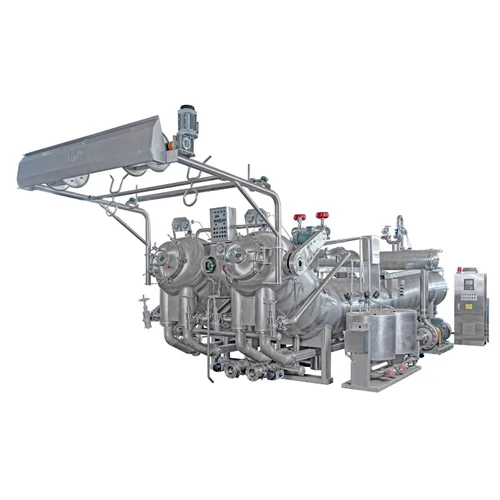
Replacing damaged parts of a textile sample dyeing machine can be done in the following steps:
1. Identify damaged parts
Troubleshooting
When the dyeing machine fails, first conduct a comprehensive troubleshooting. Observe the operation of the equipment and check for abnormal noise, odor, vibration, etc. At the same time, check whether there are abnormal prompts on the indicator lights, display screens, etc. on the control panel.
Identify the parts that may be damaged by visual inspection of the equipment, functional testing, etc. For example, if the motor does not run, you can check the power connection, winding resistance, etc. of the motor to determine whether the motor is damaged.
Consult the equipment manual
Refer to the equipment manual of the textile sample dyeing machine to understand the structure, working principle, and functions of each component of the equipment. The equipment manual usually provides guidance on fault diagnosis and repair to help determine the specific location and model of the damaged parts.
According to the parts list in the equipment manual, determine the name, specifications, model, etc. of the parts that need to be replaced.
2. Prepare replacement parts
Purchase suitable parts
According to the model and specifications of the damaged parts determined, purchase new parts that match them. You can purchase them from equipment manufacturers, dealers, or professional parts suppliers. Ensure that the purchased parts are of reliable quality and meet the requirements of the equipment.
When purchasing parts, pay attention to choosing regular channels and brands to ensure the quality and performance of the parts. At the same time, keep the purchase receipt and invoice so that you can return or exchange or repair services when necessary.
Prepare tools and materials
Before replacing parts, prepare the required tools and materials. Common tools such as screwdrivers, wrenches, pliers, and auxiliary materials such as sealants and lubricants are usually required.
Depending on the specific situation of the replacement parts, some special tools such as power tools and measuring instruments may also be required. Make sure to prepare all the required tools and materials for a smooth replacement operation.
3. Replace damaged parts
Turn off the power of the equipment
Before replacing parts, be sure to turn off the power of the textile sample dyeing machine and unplug the power plug to ensure safe operation. At the same time, wait for the equipment to cool to room temperature and avoid operating at high temperatures to avoid dangers such as burns.
Disassemble damaged parts
Carefully disassemble the damaged parts according to the disassembly instructions in the equipment manual. It is usually necessary to remove the fixing screws, nuts, connectors, etc. around the parts first, and then remove the damaged parts from the equipment.
During the disassembly process, pay attention to record the installation position and connection method of the components so that they can be correctly restored when installing new components. At the same time, be careful to avoid damaging other components or the structure of the equipment.
Install new components
Install the newly purchased components in the correct installation position and connection method. Ensure that the components are firmly installed, tightly connected, and without looseness or gaps.
During the installation process, auxiliary materials such as sealants and lubricants can be used as needed to ensure the sealing and lubricity of the components. At the same time, pay attention to adjustments and calibrations in accordance with the requirements in the equipment manual to ensure that the performance and parameters of the new components meet the requirements of the equipment.
Check the installation quality
After the installation is completed, carefully check the installation quality of the new components. Check whether the components are firmly fixed, the connections are tight, and there are no leakage, looseness or abnormal noise.
At the same time, check the overall operation of the equipment, perform functional tests and trial runs. Ensure that the equipment can start normally, run smoothly, and all functions are normal. If problems are found, adjust and repair them in time.
4. Debugging and testing
Debugging equipment parameters
After replacing components, it may be necessary to debug and optimize the parameters of the equipment. According to the guidance in the equipment manual, adjust the temperature, pressure, time and other parameters to ensure the performance and dyeing effect of the equipment are in the best state.
During the debugging process, pay attention to the operation of the equipment and adjust the parameters in time to avoid overheating, excessive pressure or other abnormal conditions.
Perform a test run
After the debugging is completed, perform a test run for a period of time to ensure the stability and reliability of the equipment. During the test run, closely observe the operation of the equipment and check whether any abnormal phenomena occur.
Some sample dyeing tests can be performed to check whether the dyeing effect meets the requirements. If problems are found, make adjustments and repairs in time until the equipment is fully operational.
Through the above steps, the damaged parts of the textile sample dyeing machine can be replaced safely and effectively to restore the normal operation of the equipment. In the process of replacing parts, pay attention to the operating specifications, ensure safety, and choose reliable parts to ensure the performance and service life of the equipment. If you are unsure about the operation of replacing parts or encounter complex problems, it is recommended to seek help from professional technicians.
If you want to learn how to replace damaged parts of textile sample dyeing machines, welcome to follow www.tonghuadyeingmachine.com!