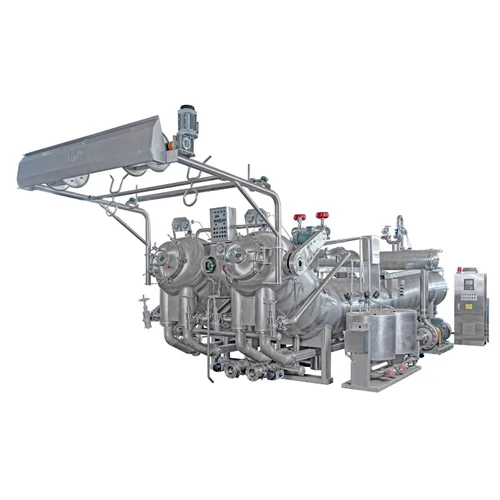
A sample dyeing machine is a small-scale, specialized equipment used to dye small batches of textile samples (yarn, fabric, or fiber) in laboratories or textile factories, primarily for testing dye formulas, color matching, and process parameters before mass production. It is the core tool for pre-production color development in the textile industry, helping to ensure consistency between sample colors and large-scale production results while saving dye, energy, and time.

Core Functions of Sample Dyeing Machines
Its main purpose is to simulate industrial dyeing processes on a small scale, with three key functions:
Color matching and formula testing: Test different combinations of dyes, auxiliaries, and proportions to develop the exact color required by customers.
Process parameter verification: Verify critical parameters such as dyeing temperature, time, pH value, and bath ratio to determine the optimal conditions for mass production.
Quality pre-evaluation: Evaluate the color fastness (e.g., to washing, light) and dyeing uniformity of samples in advance, avoiding losses caused by unqualified mass-produced products.
Key Types of Sample Dyeing Machines
Different types are designed for different textile forms (yarn, fabric) and dyeing methods. The most common ones include:
| Type | Applicable Textile | Working Principle | Core Advantage |
| Sample Yarn Dyeing Machine | Loose yarn, yarn skeins | Place yarn in a sealed dyeing cup, control temperature and rotation to ensure uniform dyeing. | Small volume, fast dyeing, suitable for yarn color development. |
| Sample Fabric Dyeing Machine | Fabric swatches, small rolls | Clamp fabric and immerse it in a dye bath; use mechanical rotation or jet flow to circulate dye liquor. | Simulates industrial fabric dyeing, with high sample consistency. |
| High-Temperature High-Pressure Sample Dyeing Machine | Synthetic fibers (polyester, nylon) | Dye under high temperature (120–130°C) and high pressure to ensure dye penetration into synthetic fibers. | Meets the dyeing needs of high-temperature-resistant fibers. |
| Atmospheric Sample Dyeing Machine | Natural fibers (cotton, wool) | Dye at normal pressure and low temperature (below 100°C) | Energy-saving, suitable for low-temperature dyeing processes. |
Typical Working Process of Sample Dyeing Machine
The operation of a sample dyeing machine follows a standardized process to ensure accurate results:
Sample Preparation: Cut or wind the textile (yarn/fabric) into small samples (depending on the machine capacity).
Dye Bath Preparation: According to the preliminary formula, weigh dyes, auxiliaries (e.g., leveling agents, fixatives), and water to prepare a small-volume dye bath.
Loading and Sealing: Put the sample and dye bath into the dyeing container (e.g., dyeing cup, dyeing tank) and seal it to prevent dye liquor leakage or temperature loss.
Dyeing Process Control: Set parameters (temperature, time, rotation speed) on the machine, then start the operation. The machine will heat up, keep the temperature, and cool down automatically according to the program.
Post-Dyeing Treatment: After dyeing, take out the sample, and perform washing, soaping, and drying to remove excess dye.
Color Evaluation: Compare the dyed sample with the standard color sample (using a colorimeter or visual inspection) to adjust the formula or process if necessary.
https://www.tonghuadyeingmachine.com/