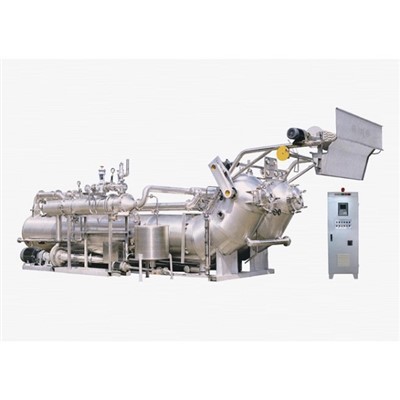
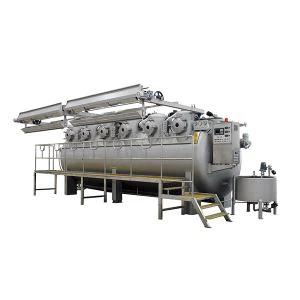
As a trusted supplier of HTHP Rapid Jet Dyeing Machines, I often encounter inquiries about how these machines handle wastewater. In the textile dyeing industry, wastewater management is a critical concern due to the environmental impact of dyeing processes. In this blog post, I'll delve into the mechanisms and strategies our HTHP Rapid Jet Dyeing Machines employ to manage wastewater effectively.
Understanding the Wastewater Challenge in Textile Dyeing
Textile dyeing involves the use of various chemicals, dyes, and auxiliaries, which end up in the wastewater. This wastewater is often characterized by high levels of color, chemical oxygen demand (COD), biochemical oxygen demand (BOD), and other pollutants. If not properly treated, it can have a significant negative impact on the environment, including water pollution and harm to aquatic life.
Our HTHP Rapid Jet Dyeing Machines are designed to address these challenges through a combination of innovative technologies and efficient processes.


Pre - treatment of Wastewater in HTHP Rapid Jet Dyeing Machines
One of the first steps in wastewater management is pre - treatment. Our machines are equipped with systems that can separate large particles and debris from the wastewater before it enters the main treatment process. This is typically achieved through physical filtration methods.
For example, a series of filters with different pore sizes are used to trap fibers, lint, and other solid materials. These filters can be easily cleaned or replaced, ensuring continuous and efficient operation. By removing these large particles early on, we reduce the load on the subsequent treatment steps and prevent potential blockages in the treatment equipment.
Recycling and Reuse of Water
Another key aspect of wastewater management in our HTHP Rapid Jet Dyeing Machines is water recycling and reuse. The machines are designed to recover and treat water for reuse in the dyeing process.
After the dyeing cycle, the water is collected and undergoes a series of treatment steps to remove dyes and chemicals. This includes processes such as reverse osmosis, which uses a semi - permeable membrane to separate water from dissolved salts, dyes, and other contaminants. The treated water can then be reused in subsequent dyeing cycles, significantly reducing the overall water consumption of the dyeing process.
In addition to reducing water usage, recycling also helps to minimize the amount of wastewater that needs to be discharged. This not only benefits the environment but also reduces the cost associated with water supply and wastewater treatment for our customers.
Chemical Treatment of Wastewater
Chemical treatment is an essential part of the wastewater management process in our HTHP Rapid Jet Dyeing Machines. We use a variety of chemical agents to break down and remove dyes and other pollutants from the wastewater.
One common chemical treatment method is coagulation and flocculation. Coagulants are added to the wastewater to neutralize the charges on the suspended particles, causing them to clump together. Flocculants are then added to form larger aggregates, which can be easily separated from the water. This process helps to remove dyes, suspended solids, and some dissolved organic matter.
Another important chemical treatment is oxidation. Oxidizing agents such as hydrogen peroxide or ozone are used to break down complex organic compounds in the wastewater. This not only reduces the COD and BOD levels but also helps to decolorize the wastewater.
Biological Treatment of Wastewater
Biological treatment is also employed in our HTHP Rapid Jet Dyeing Machines to further purify the wastewater. Microorganisms are used to break down organic pollutants in the wastewater through natural biological processes.
In a biological treatment system, the wastewater is introduced into a reactor where bacteria and other microorganisms are present. These microorganisms consume the organic matter in the wastewater as a source of energy and nutrients, converting it into carbon dioxide, water, and biomass. This process is effective in reducing the BOD and COD levels of the wastewater to acceptable levels for discharge or further reuse.
Monitoring and Control Systems
To ensure the effectiveness of the wastewater treatment process, our HTHP Rapid Jet Dyeing Machines are equipped with advanced monitoring and control systems. These systems continuously monitor the quality of the wastewater at various stages of the treatment process, including parameters such as pH, temperature, COD, BOD, and color.
Based on the monitoring results, the control system can automatically adjust the treatment processes, such as the dosage of chemicals or the flow rate of the wastewater. This ensures that the wastewater is treated to the required standards and that the treatment process is optimized for efficiency and cost - effectiveness.
The Role of Our HTHP Rapid Jet Dyeing Machines in Sustainable Dyeing
By effectively managing wastewater, our HTHP Rapid Jet Dyeing Machines play a crucial role in promoting sustainable dyeing practices in the textile industry. They help our customers to meet environmental regulations and reduce their environmental footprint.
In addition to environmental benefits, our machines also offer economic advantages. By reducing water consumption, chemical usage, and wastewater treatment costs, they help to lower the overall production cost for our customers. This makes our HTHP Rapid Jet Dyeing Machines a smart investment for textile manufacturers looking to improve their competitiveness in the market.
Related Products
If you are interested in other types of dyeing machines, we also offer a range of products, including the High - Pressure Rapid Dyeing Machine For Mesh Fabric Dyeing, HTHP Dyeing Machine, and High Temperature High Speed Dyeing Machine. These machines are also designed with advanced wastewater management features to ensure sustainable and efficient dyeing operations.
Contact Us for Purchase and Consultation
If you are considering purchasing an HTHP Rapid Jet Dyeing Machine or have any questions about wastewater management in our machines, we encourage you to contact us. Our team of experts is ready to provide you with detailed information, technical support, and customized solutions to meet your specific needs. Let's work together to achieve sustainable and efficient dyeing processes in your textile production.
References
- "Textile Dyeing Wastewater Treatment: A Review" by S. K. Shukla et al.
- "Wastewater Management in the Textile Industry" published by the Environmental Protection Agency.
- "Advanced Technologies for Water Recycling in Textile Dyeing" from the Journal of Textile Engineering.