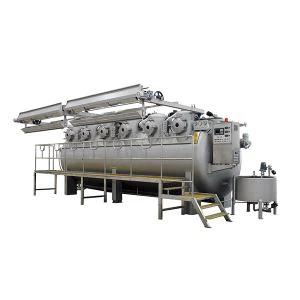
As a supplier of HTHP Jet Dyeing Machines, I often encounter inquiries regarding the corrosion resistance of the materials used in these machines. In the high - temperature and high - pressure environment of dyeing processes, corrosion resistance is a crucial factor that directly affects the machine's lifespan, performance, and the quality of the dyeing results. In this blog, I will delve into the details of the corrosion - resistant materials used in HTHP Jet Dyeing Machines.
The Working Environment of HTHP Jet Dyeing Machines
HTHP Jet Dyeing Machines, such as the High Temperature and High Pressure Rapid Dyeing Machine, operate under extreme conditions. The dyeing process usually involves high temperatures (up to 140°C or even higher) and high pressures (around 3 - 6 bar). Additionally, the dyes and chemicals used in the process can be highly corrosive. Acids, alkalis, and various salts are commonly present in the dyeing bath, which can cause significant damage to the machine's components over time if the materials are not corrosion - resistant.
Common Corrosion - Resistant Materials
Stainless Steel
Stainless steel is one of the most widely used materials in HTHP Jet Dyeing Machines. Different grades of stainless steel are selected based on the specific requirements of different parts of the machine. For example, 304 stainless steel is a common choice for some non - critical components. It contains about 18% chromium and 8% nickel, which forms a passive oxide layer on the surface. This oxide layer acts as a barrier, preventing the underlying metal from reacting with the corrosive substances in the dyeing bath.
However, for more demanding applications, such as the dyeing chamber where it is in direct contact with the high - temperature and corrosive dyeing solution for long periods, 316 stainless steel is often preferred. 316 stainless steel has a higher nickel content (around 10 - 14%) and also contains molybdenum (about 2 - 3%). The molybdenum enhances the steel's resistance to pitting and crevice corrosion, making it more suitable for the harsh environment of the dyeing process.
Titanium Alloys
Titanium alloys are another excellent option for corrosion - resistant components in HTHP Jet Dyeing Machines. Titanium has a high affinity for oxygen, and when exposed to air or an oxidizing environment, it forms a thin, stable, and self - healing oxide layer. This oxide layer provides outstanding corrosion resistance, even in highly corrosive media.
Titanium alloys are particularly useful in parts where weight reduction is also a consideration, as they have a relatively low density compared to stainless steel. However, the cost of titanium alloys is relatively high, so they are usually used for critical and small - sized components, such as some nozzles or valves, where their high performance justifies the expense.
Composite Materials
Composite materials are increasingly being used in the manufacturing of HTHP Jet Dyeing Machines. These materials are made by combining two or more different materials to achieve superior properties. For example, fiber - reinforced plastics (FRP) are a type of composite material. Glass - fiber - reinforced plastics (GFRP) and carbon - fiber - reinforced plastics (CFRP) are commonly used.
GFRP has good corrosion resistance, high strength - to - weight ratio, and is relatively inexpensive. It can be used for some external components or parts that do not require high mechanical strength but need to be protected from corrosion. CFRP, on the other hand, has even higher strength and stiffness, and is used in applications where high performance is required, such as in some structural parts of the machine.
Factors Affecting Corrosion Resistance
Temperature
As mentioned earlier, the high temperature in HTHP Jet Dyeing Machines accelerates the corrosion process. At higher temperatures, the chemical reactions between the metal and the corrosive substances in the dyeing bath occur more rapidly. The diffusion rate of corrosive ions through the oxide layer on the metal surface also increases, reducing the effectiveness of the protective layer. Therefore, materials with better high - temperature corrosion resistance are required for long - term operation in such an environment.
Chemical Composition of the Dyeing Bath
The type and concentration of chemicals in the dyeing bath have a significant impact on the corrosion resistance of the materials. For example, acidic dyes can cause acid corrosion, while alkaline dyes can lead to alkaline corrosion. Some dyes also contain heavy metal salts, which can cause specific types of corrosion, such as stress - corrosion cracking in certain metals.
Mechanical Stress
Mechanical stress can also affect the corrosion resistance of materials. In HTHP Jet Dyeing Machines, components are often subjected to various mechanical forces, such as pressure from the high - pressure steam and the flow of the dyeing solution. Stress can cause cracks or deformation in the protective oxide layer on the metal surface, exposing the underlying metal to the corrosive environment and accelerating the corrosion process.
Testing and Quality Assurance
As a supplier of HTHP Rapid Jet Dyeing Machine, we take strict measures to ensure the corrosion resistance of the materials used in our machines. We conduct various tests on the raw materials before they are used in production. Salt - spray tests are commonly used to simulate the corrosive environment and evaluate the corrosion resistance of the materials over a certain period.
In addition, we also perform long - term immersion tests in simulated dyeing solutions at high temperatures and pressures. These tests help us to identify any potential corrosion problems and select the most suitable materials for different parts of the machine. We also work closely with material suppliers to ensure that the materials meet our strict quality standards.


Importance of Corrosion Resistance in the Dyeing Process
The corrosion resistance of the materials used in HTHP Jet Dyeing Machines is not only important for the longevity of the machine but also for the quality of the dyeing results. If the machine components corrode, metal ions may be released into the dyeing bath. These metal ions can react with the dyes, causing color changes, uneven dyeing, or even affecting the fastness of the dyes on the fabric.
Moreover, a corroded machine may have reduced performance, such as leaks in the dyeing chamber or blockages in the nozzles, which can lead to inconsistent dyeing results and increased production costs. Therefore, ensuring high corrosion resistance is essential for maintaining the efficiency and quality of the dyeing process.
Conclusion
In conclusion, the corrosion resistance of the materials used in HTHP Jet Dyeing Machines is a critical factor that affects both the machine's lifespan and the quality of the dyeing process. Stainless steel, titanium alloys, and composite materials are commonly used due to their excellent corrosion - resistant properties. However, factors such as temperature, chemical composition of the dyeing bath, and mechanical stress need to be considered when selecting the materials.
As a professional supplier of High Temperature High Pressure Dyeing Machine, we are committed to using the highest - quality corrosion - resistant materials and conducting strict quality control to ensure that our machines can operate reliably in the harsh dyeing environment. If you are interested in our HTHP Jet Dyeing Machines or have any questions regarding the corrosion resistance of the materials, please feel free to contact us for further discussion and procurement negotiation.
References
- Fontana, M. G. (1986). Corrosion Engineering. McGraw - Hill.
- Uhlig, H. H., & Revie, R. W. (1985). Corrosion and Corrosion Control. Wiley - Interscience.
3.ASM Handbook Committee. (1996). ASM Handbook Volume 13A: Corrosion: Fundamentals, Testing, and Protection. ASM International.