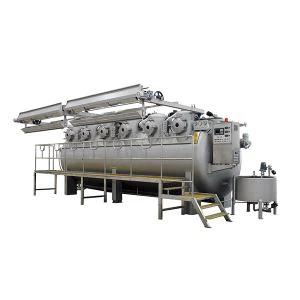
Optimizing the dyeing process of the HTHP Dual Flow Dyeing Machine is crucial for achieving high - quality results, reducing costs, and enhancing overall efficiency in the textile industry. As a supplier of the HTHP Dual Flow Dyeing Machine, I have witnessed firsthand the challenges and opportunities that come with this technology. In this blog post, I will share some key strategies and best practices to optimize the dyeing process.
Understanding the HTHP Dual Flow Dyeing Machine
Before delving into optimization strategies, it's essential to understand the basics of the HTHP Dual Flow Dyeing Machine. This machine operates under high - temperature and high - pressure conditions, which allows for faster and more uniform dyeing compared to traditional methods. The dual - flow feature ensures that the dye liquor circulates through the fabric in two directions, increasing the contact between the fabric and the dye, and thus improving the dyeing effect. You can learn more about this machine on our website HTHP Dual Flow Dyeing Machine and HTHP Dual Flow Fabric Dyeing Machine.
1. Pre - treatment of the Fabric
The pre - treatment of the fabric lays the foundation for a successful dyeing process. Any impurities, such as dirt, oil, or sizing agents on the fabric surface, can interfere with the dyeing process and result in uneven coloration. Therefore, it is necessary to thoroughly clean and desize the fabric before dyeing.
- Scouring: Scouring is a common pre - treatment method that uses alkaline solutions to remove natural fats, waxes, and other impurities from the fabric. This process not only improves the adsorption of the dye but also enhances the wetting properties of the fabric.
- Bleaching: For fabrics that require lighter color shades, bleaching is an essential step. Bleaching agents can remove natural pigments from the fabric, providing a clean white base for dyeing. However, it's important to control the bleaching conditions carefully to avoid damaging the fabric.
2. Selection of Dyes and Chemicals
The choice of dyes and chemicals has a significant impact on the dyeing quality and process efficiency.
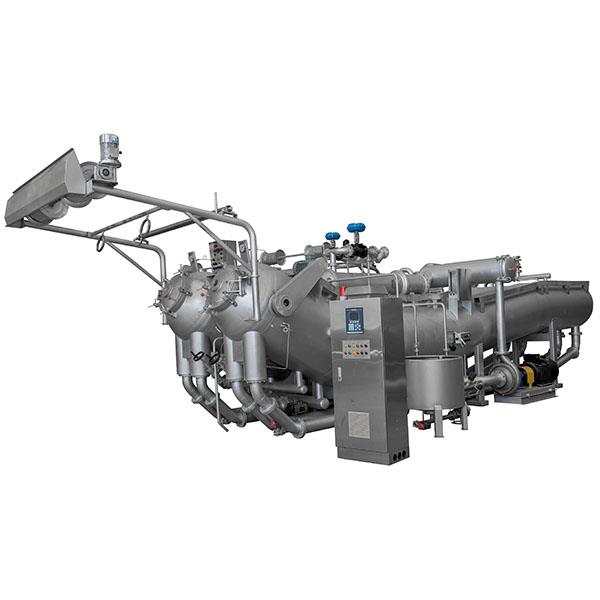

- Dye Selection: Different types of fabrics require different dyes. For example, reactive dyes are commonly used for cellulosic fibers such as cotton, while disperse dyes are suitable for polyester fibers. When selecting dyes, factors such as color fastness, compatibility, and cost should be considered. We also offer a High - Pressure Rapid Dyeing Machine For Mesh Fabric Dyeing, which is designed for specific fabric types and can work well with appropriate dyes.
- Chemical Additives: Chemical additives such as leveling agents, fixing agents, and pH regulators can play important roles in the dyeing process. Leveling agents help to ensure even dye distribution on the fabric surface, while fixing agents improve the color fastness of the dyed fabric. The pH value of the dye liquor also needs to be carefully adjusted according to the type of dye used.
3. Optimization of Dyeing Parameters
The proper setting of dyeing parameters is the key to achieving high - quality dyeing results.
- Temperature and Time: High - temperature and high - pressure conditions in the HTHP Dual Flow Dyeing Machine can accelerate the dyeing process. However, the temperature and time need to be optimized to avoid over - dyeing or fabric damage. Different dyes have different optimal dyeing temperatures. For example, disperse dyes usually require higher temperatures (around 130 - 140°C) for dyeing polyester fabrics, while reactive dyes are typically used at lower temperatures (60 - 95°C) for cotton fabrics.
- Dye Concentration: The dye concentration directly affects the depth of color. However, excessive dye concentration can lead to problems such as poor color fastness and environmental pollution. Therefore, it is necessary to determine the appropriate dye concentration based on the desired color shade and fabric type.
- Liquid - to - Fabric Ratio: The liquid - to - fabric ratio refers to the ratio of the volume of the dye liquor to the mass of the fabric. A proper liquid - to - fabric ratio ensures that the fabric is fully immersed in the dye liquor and promotes uniform dyeing. A lower liquid - to - fabric ratio can reduce water and energy consumption, but it may also affect the dyeing effect if not properly controlled.
4. Dyeing Process Control
During the dyeing process, continuous monitoring and control are essential to ensure the stability and quality of the dyeing results.
- Monitoring of Dyeing Parameters: Use sensors to monitor the temperature, pressure, pH value, and dye concentration in the dyeing machine in real - time. Any abnormal changes in these parameters should be adjusted promptly to avoid quality problems.
- Circulation System Maintenance: The dual - flow circulation system of the HTHP Dual Flow Dyeing Machine is crucial for uniform dyeing. Regularly check and maintain the circulation system to ensure smooth flow of the dye liquor and prevent blockages.
5. Post - treatment of the Dyed Fabric
Post - treatment can further improve the color fastness and hand - feel of the dyed fabric.
- Soaping: Soaping is used to remove unfixed dyes from the fabric surface. This process can improve the color fastness and prevent color bleeding.
- Softening: Softening agents can be used to improve the hand - feel of the dyed fabric, making it more comfortable to wear.
6. Wastewater Treatment
Dyeing processes generate a large amount of wastewater containing dyes, chemicals, and other pollutants. Proper wastewater treatment is not only environmentally friendly but also helps to meet regulatory requirements.
- Physical and Chemical Treatment: Physical methods such as filtration and sedimentation can remove large - sized particles from the wastewater, while chemical methods such as flocculation and oxidation can break down and remove dyes and other organic pollutants.
- Recycling and Reuse: In some cases, the treated wastewater can be recycled and reused in the dyeing process, which can reduce water consumption and production costs.
Conclusion
Optimizing the dyeing process of the HTHP Dual Flow Dyeing Machine requires a comprehensive approach that includes fabric pre - treatment, selection of dyes and chemicals, optimization of dyeing parameters, process control, post - treatment, and wastewater treatment. By implementing these strategies, textile manufacturers can achieve high - quality dyeing results, reduce costs, and enhance environmental sustainability.
If you are interested in our HTHP Dual Flow Dyeing Machine or have any questions about the dyeing process optimization, please feel free to contact us for further discussions and potential procurement opportunities.
References
- Textile Dyeing and Finishing Technology, Third Edition, by Xungai Wang and W. Stephen Price
- Handbook of Textile and Industrial Dyeing, Volume 1: Principles, Processes and Types of Dyes, edited by M. Lewis and P. Heaton